
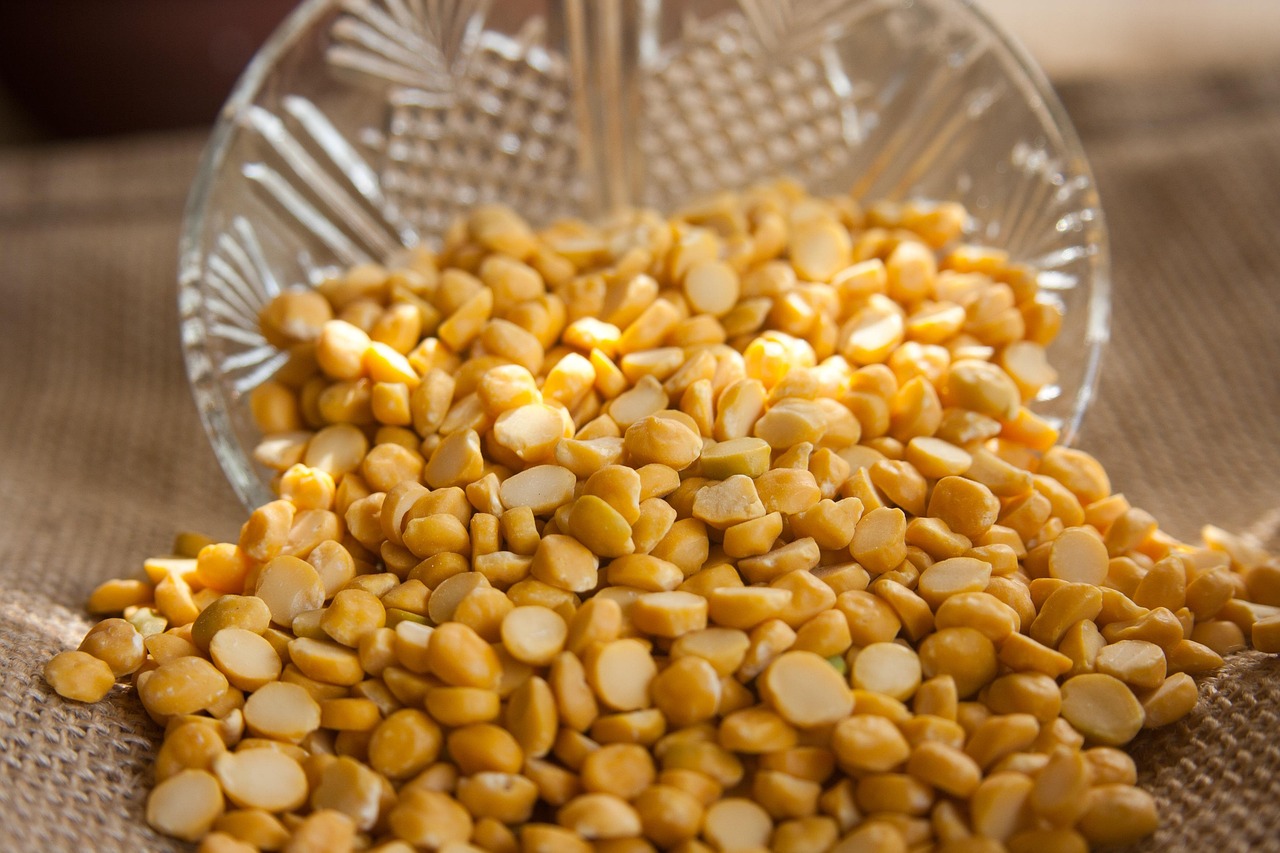
Lentils: A Timeless Superfood for Every Season
A Protein-Rich Ingredient That Rivals Meat in Nutrition
Lentils have traveled a long cultural and culinary journey. Once considered the food of the poor in many societies, these humble legumes have now emerged as a global superfood—respected by nutritionists, celebrated in kitchens, and embraced by people who strive for healthier lifestyles. Even in South Asia, especially in Pakistan and India, lentils have been a staple for centuries. Yet, their true value often remains underestimated.
This detailed blog explores the nutritional worth, health benefits, and medicinal properties of different lentils (dals). From traditional cooking wisdom to modern scientific research, this comprehensive guide will help you understand why lentils are viewed as one of the most economical yet powerful foods on earth.
Lentils Are Not Inferior to Meat—They May Even Be Better
There was a time when lentils were regarded as a “poor man’s food.” During a particular era in Pakistan’s political history, when the rising cost of meat made the public protest, government advisors famously suggested, “If meat is expensive, then eat vegetables.” Times have changed, inflation has soared, and today even lentils are sometimes difficult for lower-income families to afford.
Yet despite all economic fluctuations, lentils remain one of the most nutritious, versatile, and important foods consumed throughout the year. Nutritionally, lentils are not inferior to meat. In fact:
-
Overconsumption of meat can be harmful to health.
-
Lentils, on the other hand, are gentle on the body and provide essential nutrients without the adverse effects.
In many nations worldwide, lentils are not merely a side dish—they are the primary source of nutrition.
A Nutritional Powerhouse
Many types of lentils contain four times more protein and vitamins than wheat. Compared to rice, lentils are richer in minerals, and they contain less fat, making them suitable for weight-conscious or heart-conscious individuals.
Lentils contain:
-
High-quality plant protein
-
Dietary fiber
-
Folate
-
Iron
-
Potassium
-
Vitamins A, C, and several B vitamins
-
Essential minerals such as zinc, magnesium, and phosphorus
-
Low fats and no cholesterol
This makes lentils beneficial for heart health, digestion, diabetes management, and energy maintenance.
Important Cooking Wisdom: Keep the Skin (Husk) On
Many people prefer to cook lentils by removing the husk (the outer skin), thinking it improves texture or appearance. However, most of the vitamins and fiber are found in the husk. Removing it strips away valuable nutrients, lowering the overall health benefits.
Modern research also recommends cooking lentils on low flame rather than high flame. High heat destroys certain delicate nutrients. Slow cooking retains flavor, aroma, and nutrition.
Adding spices such as:
-
Black cumin (kalonji)
-
Big cardamom
-
Black pepper
enhances digestibility and enriches the antioxidant profile. In winter, adding ginger not only improves flavor but also supports immunity and digestion.
Types of Lentils and Their Unique Health Benefits
Every lentil has its own nature (temperament), nutritional benefits, and medicinal qualities. Understanding them helps you use the right type of lentil for your body’s needs.
1. Moong Dal (Yellow Lentils)
Light, Digestible, and Healing
Moong dal is perhaps the gentlest of all lentils. It is easy to digest, making it an excellent food choice for:
-
Patients recovering from illness
-
Individuals with weak digestion
-
Children
-
Elderly people
Nutritional Highlights
Moong dal is rich in:
-
Vitamin A
-
Vitamin C
-
Essential minerals
-
Light proteins
Health Benefits
-
Strengthens the heart
-
Enhances blood quality
-
Supports muscle development
-
Boosts overall energy
-
Prevents heaviness and bloating
Traditional Recommendations
-
Adding ghee, black pepper, and black cumin enhances its benefits.
-
In case of fever, avoid adding ghee.
Who Should Avoid It?
People with gassy/bloating (badi) temperament may feel discomfort.
2. Moth Dal (Moath Beans)
Drying, Energizing, and Mucus-Reducing
Moth dal is warm and dry in nature, yet lightweight. It is especially beneficial for individuals who frequently develop phlegm or watery mucus.
Key Benefits
-
Reduces phlegm (balgham)
-
Dries excess bodily fluids
-
Strengthens the body
-
Provides steady energy
Moth dal is excellent for winter and for people who feel sluggish due to mucus buildup.
3. Arhar Dal (Toor Dal / Pigeon Pea)
A Warm, Strength-Giving Staple
Arhar dal is widely used in South Asia, especially in Indian households. It is:
-
Warm in temperament
-
Drying
-
Strength-building
-
Good for removing excess mucus
Traditional Enhancements
Adding:
-
Coriander
-
Asafoetida (hing)
increases digestibility and prevents gas formation.
This dal provides long-lasting energy and is great for those who perform physical labor or live in colder regions.
4. Chana Dal (Split Bengal Gram)
Protein-Rich, Blood-Purifying, and Energizing
Chana dal is warm and dry, making it excellent for:
-
Boosting appetite
-
Improving blood quality
-
Enhancing physical strength
Traditional Energy Drink
Soaking chana dal in milk overnight, then crushing it in the morning and mixing it with sugar creates a powerful, natural energy tonic.
This drink is recommended for:
-
Athletes
-
Weak or underweight individuals
-
People recovering from illness
Who Should Avoid It?
Individuals with:
-
Weak digestive systems
-
Chronic acidity
-
Gastric sensitivity
may find chana dal heavy.
5. Mash Dal (Urad Dal / Black Gram)
Very Nutritious but Heavy and Mucus-Forming
Mash dal is:
-
Hot
-
Moist
-
Extremely nourishing
-
Heavy and slow to digest
It increases stamina, builds muscle, and strengthens tissues, which is why traditional dishes like daal mash, idli, and dosa are based on it.
Who Should Avoid It?
Mash dal may worsen:
-
Obesity
-
Asthma
-
Cough
-
Mucus buildup
-
Liver issues
-
Chronic indigestion
-
Constipation
Digestive Support Spices
To make it easier to digest, add:
-
Asafoetida (hing)
-
Dry ginger (sonth)
-
Fresh ginger
These spices reduce gas, improve digestion, and balance the heaviness.
6. Masoor Dal (Red Lentils)
Warm, Dry, and Helpful in Respiratory Disorders
Masoor dal is an ancient, medicinally respected lentil. It is warm and dry in nature.
Health Benefits
-
Helps cleanse mucus
-
Supports lung health
-
Clears respiratory congestion
-
Beneficial for chronic phlegm
-
Useful in old dysentery
-
Aids in recovery from phlegm-related fevers
With or Without Skin?
Removing the skin reduces its heat. The husked version is lighter and easier to digest.
Medicinal Use
A thin masoor dal soup is a traditional remedy for:
-
Chest congestion
-
Lung weakness
-
Recovery from illness
Why Lentils Should Be a Regular Part of Your Diet
Lentils offer a balance of:
-
Plant protein
-
Clean energy
-
Digestive fiber
-
Vitamins and minerals
-
Very low fat
This makes them superb for everyday meals.
Major Health Benefits at a Glance
-
Support Heart Health:
Lowers cholesterol, reduces hypertension risk, and improves artery elasticity. -
Aid Weight Management:
High fiber keeps you full longer while calories stay low. -
Improve Digestive Health:
Prevents constipation, supports gut microbiome, and stabilizes metabolism. -
Boost Immunity:
Rich in antioxidants and vitamins that fight infections. -
Perfect for Diabetics:
Slow-release carbs prevent sugar spikes. -
Affordable Nutrition:
Lentils offer one of the highest nutrient values per rupee spent.
Modern Research Meets Ancient Wisdom
While traditional herbal and cultural knowledge has always emphasized the benefits of lentils, modern scientific research confirms their nutritional excellence.
Scientific findings highlight that:
-
Lentils help reduce LDL cholesterol
-
Improve blood sugar control in type-2 diabetes
-
Enhance gut microbiome diversity
-
Reduce inflammation
-
Lower the risk of heart disease
Thus, lentils are not just a traditional comfort food—they are a scientifically validated superfood.
Tips to Cook Lentils for Maximum Nutrition
✔ Cook on low flame
Preserves vitamins and minerals that high heat may destroy.
✔ Keep the skin on
When possible, use lentils with husk for higher fiber and nutrient density.
✔ Use digestive spices
-
Cumin
-
Ginger
-
Hing
-
Black pepper
-
Coriander
These enhance flavor and digestion.
✔ Avoid excess oil
Lentils are naturally low-fat; heavy tempering reduces their health benefits.
✔ Pair with whole grains
Brown rice, whole-wheat roti, or millet rotis create complete protein combinations.
Conclusion: A Superfood Worth Respecting
Lentils are far more than a cheap substitute for meat. They are a rich, wholesome, nourishing, and healing food—deeply rooted in cultural traditions and supported by modern science. Each type of lentil brings its own medicinal properties, making it possible to choose the right one based on your health needs.
In today’s world, where food prices continue to rise and lifestyle diseases dominate, lentils remain one of the most accessible, affordable, and powerful nutritional options. Whether you are looking to:
-
Boost immunity
-
Improve digestion
-
Strengthen your body
-
Manage weight
-
Support heart health
-
Or simply enjoy a comforting, warm meal
Lentils are a timeless treasure for every home and every season.