
Why Your Legs Hurt, Feel Heavy, or Look Swollen — The Truth About Poor Blood Circulation
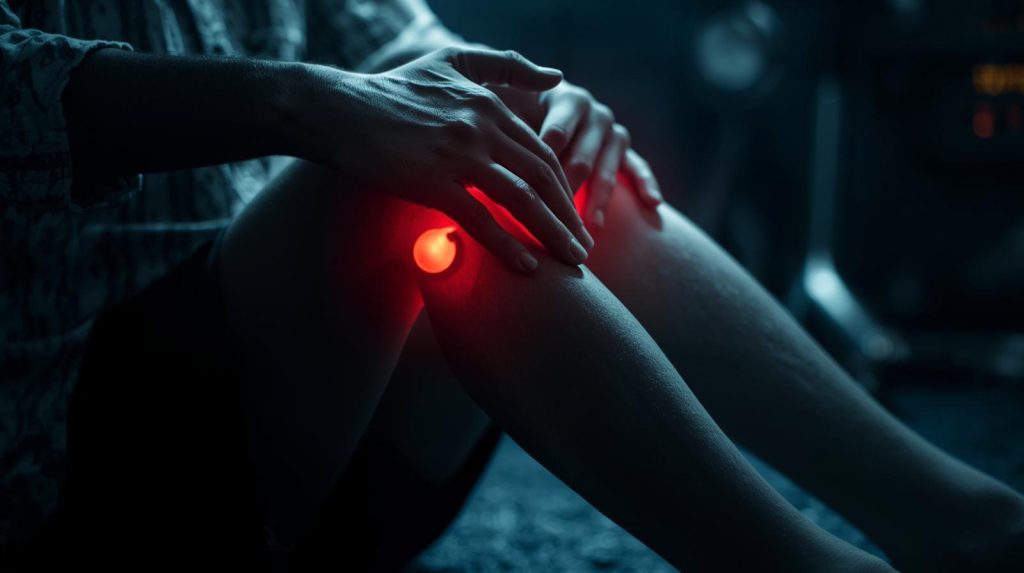
Most people don’t expect circulation problems.
They think it only happens to:
-
very old people
-
heart patients
-
people who can’t walk
But in real life, poor blood circulation in the legs shows up quietly in everyday people. Office workers. Drivers. Shopkeepers. People who stand all day. People who sit all day.
And the signs are easy to ignore.
Your feet feel cold even when the weather isn’t.
Your legs feel heavy by evening.
Shoes feel tighter at night.
You feel cramps for no clear reason.
Sometimes there’s burning.
Sometimes there’s numbness.
You stretch.
You massage.
You ignore it.
But your legs keep sending signals.
What Poor Blood Circulation Really Means
Good circulation means:
-
oxygen
-
nutrients
-
energy
are moving freely through your blood to every part of your body.
Poor circulation means:
blood is not flowing properly, especially down to the legs and feet.
When blood moves slowly or meets resistance:
-
waste builds up
-
oxygen supply drops
-
tissues suffer
-
nerves become sensitive
Over time, this causes:
-
pain
-
swelling
-
skin changes
-
tiredness
-
fear of walking
Why Circulation Problems Happen in the Legs
The legs are the farthest point from the heart. Blood has to fight gravity to return upward.
Common reasons circulation gets weak:
1. Sitting Too Much
Long hours in:
-
office chairs
-
cars
-
on beds
slow down blood movement.
The veins get lazy.
The blood pools.
2. Standing Too Long
Shop workers, nurses, guards, teachers — standing still for hours puts pressure on leg veins and weakens circulation.
3. Smoking
Smoking thickens the blood and damages blood vessels.
It directly cuts circulation.
4. High Blood Pressure & Diabetes
These two silently damage blood vessels over time.
Circulation weakens without pain at first.
5. Weak Vein Valves
Veins have small doors (valves) that push blood upward.
When these weaken, blood falls back down and builds up in the legs.
That’s how varicose veins begin.
6. Obesity
Extra weight increases pressure on leg veins and slows return flow.
Real-Life Signs Your Circulation Might Be Weak
People usually describe it like this:
-
“My legs feel tired even with little walking.”
-
“My feet feel cold all the time.”
-
“By evening, my ankles swell.”
-
“I feel cramps at night.”
-
“There’s tingling sometimes.”
-
“There’s a burning feeling in my feet.”
-
“My skin looks darker near my ankles.”
These aren’t random.
They are circulation signals.
When Poor Circulation Becomes Dangerous
Ignored for years, weak circulation can lead to:
-
chronic swelling
-
skin ulcers
-
slow-healing wounds
-
nerve damage
-
walking pain
-
high risk of infections
-
increased heart and stroke risk
In diabetics, poor circulation can become life-threatening if wounds do not heal.
How Doctors Check Circulation
Depending on symptoms, doctors may use:
-
physical examination
-
pulse check in feet
-
blood pressure comparison
-
Doppler ultrasound
-
sometimes blood tests
It’s not always complicated — but it should not be delayed.
What You Can Start Doing Right Now
You don’t need expensive treatment to protect your circulation early.
1. Move Every Hour
Even 2–3 minutes of walking refreshes blood flow.
2. Elevate Your Legs
At night, slightly raise your feet on a pillow to help blood return upward.
3. Walk Daily
Walking is the best natural circulation medicine.
4. Control Sugar, Pressure, and Weight
These three silently attack vessels when uncontrolled.
5. Massage & Stretch
Simple leg massages trigger blood movement.
6. Avoid Tight Clothing Around Thighs and Calves
It blocks proper flow.
When You Should Not Delay Medical Help
If you notice:
-
sudden leg swelling
-
severe pain
-
color change
-
hot skin
-
open wounds
-
numbness that doesn’t improve
You need medical attention urgently.
A Gentle Truth
Your legs carry you through life.
To work.
To family.
To prayer.
To rest.
To everything.
When they quietly start struggling, they deserve attention — not delay.
Ignoring circulation problems doesn’t save time.
It takes it away later.