
so here’s something people don’t really want to admit — we treat sleep like an option. something we’ll “get to” once everything else is done. you’ve got work, you’ve got notifications popping every second, maybe a show you didn’t finish, maybe scrolling through random stuff before bed — and before you know it, it’s 3 a.m. again. you wake up tired, force yourself through the day, tell yourself you’ll sleep early tonight… and then you do the same thing again.
it’s become normal. almost like being tired is a personality trait now. but what no one really gets is that losing sleep isn’t just about feeling tired — it’s your body quietly breaking down in the background. your brain, your heart, your hormones, even your metabolism — all of it gets affected when you don’t give your body the rest it needs.
you might not feel it immediately, but over time, bad sleep habits mess with you in ways you don’t even connect to sleep. like that random anxiety for no reason, the sudden weight gain, brain fog, weird food cravings — all of that ties back to your sleep cycle.
the underrated power of sleep
see, when you’re asleep, your body’s not “doing nothing.” it’s actually doing more work than you think. that’s when your brain cleans itself up — literally flushes out toxins that build up during the day. your muscles repair, your immune system recharges, and your hormones get balanced out.
you skip that, and your system doesn’t get the time to reset. it’s like running a machine nonstop without ever shutting it off for maintenance. sure, it might run for a while, but eventually, it’s gonna overheat, slow down, and start failing in places you didn’t expect.
your body is wired to have a rhythm — sleep and wake cycles. when you keep ignoring that, your system starts to lose sync. that’s when things go wrong: fatigue becomes normal, your focus drops, and you start depending on caffeine to stay functional.
and that’s not just about “energy.” it’s your body screaming for rest, and instead of giving it that, we just drown it with coffee or energy drinks and pretend it’s fine.
what happens inside your body when you skip sleep
alright, let’s break this down a bit. when you don’t sleep properly, your stress hormone — cortisol — stays high. normally, it should drop at night so your body can relax, but if you keep pushing late hours, it stays elevated. and when cortisol stays high, it messes up everything: your metabolism slows, your appetite increases, your blood sugar gets unstable, and your mood swings go off the chart.
your brain also takes a hit. the part that handles focus and decision-making — the prefrontal cortex — literally slows down. that’s why you make dumb decisions or get irritated easily when you’re tired. your memory suffers too because deep sleep is when your brain stores information and builds connections.
and then there’s the immune system. people who sleep less than 6 hours a night are way more likely to get sick. because when you’re asleep, your immune cells are active — fighting off infections, repairing tissue. skip sleep, and that defense line gets weak.
what’s worse is, bad sleep doesn’t just make you feel off for a day or two — it builds up over time. your body doesn’t just “get used to” less sleep. you think it’s adapting, but it’s actually just running on empty and adjusting its limits down.
your heart literally depends on your sleep
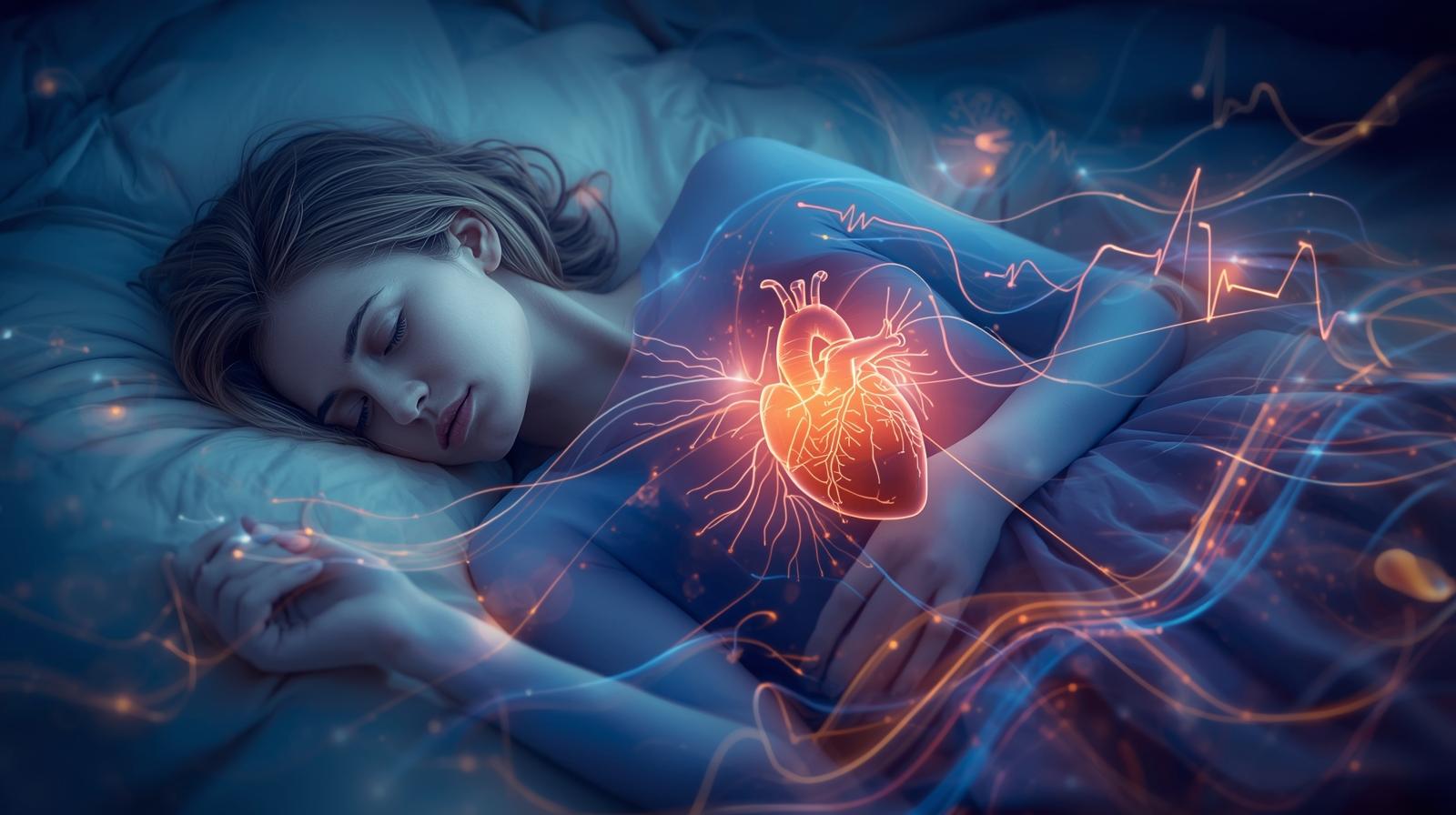
most people don’t realize how deep the sleep-heart connection goes. when you sleep, your blood pressure drops, your heart rate slows, and your blood vessels get a break. that downtime is critical.
if you keep sleeping less than 7 hours, your heart never fully rests. it keeps working under pressure, night after night. that’s why chronic poor sleep is directly linked to higher risks of heart disease, stroke, and hypertension.
it’s not about “bad luck” or genetics in most cases — it’s about a lifestyle that constantly keeps your body in stress mode. you stay awake late, your body thinks it’s in survival mode, and that constant stress eats away at your cardiovascular system.
and the crazy part? you won’t feel it until it’s serious. that’s how sneaky it is.
how bad sleep wrecks your hormones and metabolism
you know that weird thing where you eat well, exercise, but still can’t lose weight? yeah — that’s probably your sleep messing it up.
when you’re sleep-deprived, your hunger hormones — ghrelin and leptin — go out of balance. ghrelin tells you to eat, leptin tells you you’re full. with less sleep, ghrelin spikes and leptin drops. meaning? you’re hungrier even when you don’t need food, and you don’t feel full even after eating.
that’s why after a late night, you crave junk food the next day. your brain literally starts demanding quick energy (sugar, carbs, caffeine).
long-term, this leads to insulin resistance — which is the first step toward diabetes. again, most people won’t trace that back to sleep, but it’s connected.
how modern life quietly kills good sleep
honestly, our generation never stood a chance. we’ve built lifestyles that go directly against how the body is designed to rest. artificial lights, phones glowing in our faces at midnight, stress that doesn’t turn off — it all confuses the body’s natural sleep rhythm.
your body expects darkness at night so it can release melatonin (the sleep hormone). but when you’re scrolling through your phone in bed, that blue light tells your brain “it’s still daytime.” so your melatonin production drops, and suddenly, you’re wide awake at 2 a.m. wondering why you can’t sleep.
and then there’s caffeine. people drink it late in the afternoon and still expect to fall asleep easily. caffeine can stay in your system for 6–8 hours, so that 5 p.m. coffee might be the reason you’re staring at the ceiling later.
it’s small habits like these that destroy your natural rhythm — and they pile up fast.
fixing your sleep doesn’t take magic — it just takes discipline
the truth is, fixing your sleep isn’t hard, it’s just uncomfortable at first. it means you have to break habits you’ve normalized. no scrolling in bed, no late-night snacks, no caffeine after lunch.
start sleeping and waking up at the same time every day — even on weekends. your body loves routine. and when it gets that consistency, your sleep quality improves on its own.
make your room a “sleep-only” space. keep it dark, cool, and quiet. avoid using your phone or laptop for at least an hour before bed — sounds old school, but it works.
if you really can’t sleep, don’t force it. get up, do something calm and boring, then go back to bed when you feel sleepy. lying there frustrated only makes your brain more awake.
and please — stop treating sleep like something you can just “make up.” your body doesn’t have a sleep bank. once it’s gone, it’s gone.
small changes that actually help
cut caffeine after 2 p.m. – this alone can change everything.
dim your lights an hour before bed. helps melatonin kick in naturally.
avoid heavy meals before sleeping. your body can’t rest while digesting.
exercise regularly, but not right before bed. it boosts sleep quality, but late workouts can hype your system.
go outside in the morning light. that helps reset your circadian rhythm.
they sound simple, but combined, they change how your body sleeps.
sleep isn’t luxury — it’s survival
you can hustle all you want, but if you’re running on no sleep, it’s not success — it’s slow self-destruction. real productivity starts when your body and brain are rested enough to actually think clearly.
people talk about “grind culture” like it’s something to be proud of — but honestly, if you’re sacrificing your health for it, what’s the point? being exhausted all the time isn’t a badge of honor. it’s a sign something’s wrong.
the truth is, good sleep is like free medicine. it heals, resets, and rebuilds. and most people throw it away chasing things that actually need a healthy body to enjoy later.
so yeah, if you really want to take care of yourself — start with sleep. you don’t need fancy supplements or weird diets. just give your body what it’s been asking for all along: proper rest.
because once you fix your sleep, everything else — focus, energy, mood, even your immune system — just falls into place.
you’ll notice the difference fast. your mornings won’t feel like a battle anymore. your brain feels sharper, your skin looks better, your patience comes back.
and that’s the point — health isn’t about adding more things. sometimes it’s just about taking less away.