
why dehydration is messing you up more than you think (and it’s not just about drinking water)
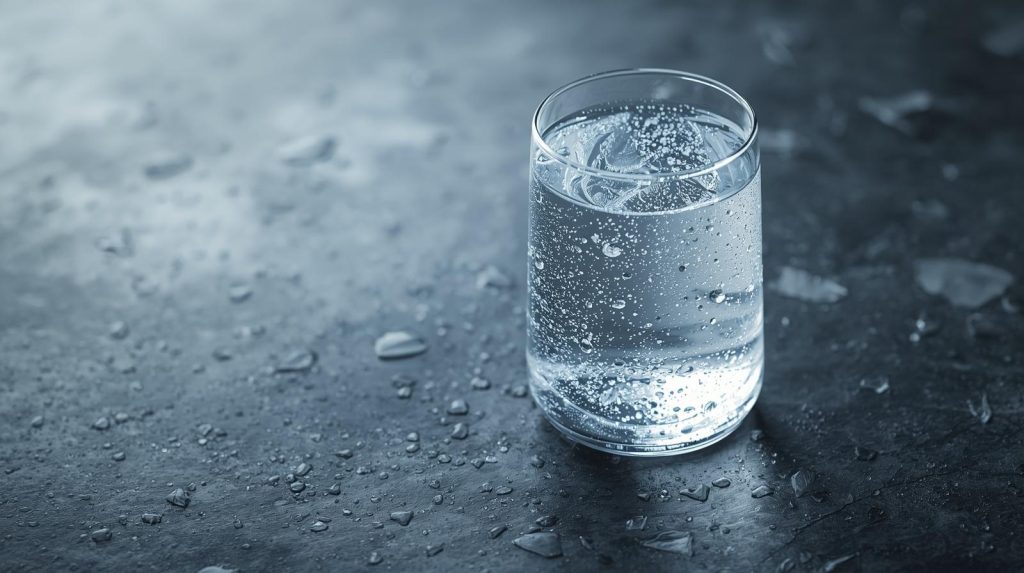
so here’s something that sounds simple but honestly isn’t — most people walk around dehydrated and don’t even know it. and no, it’s not just about “drinking eight glasses of water” or carrying a cute water bottle everywhere. dehydration creeps in quietly. it doesn’t just make you thirsty — it messes with your energy, your brain, your skin, your digestion, your mood, even your heart.
you don’t really feel it at first because the symptoms blend into normal life: headaches, low focus, fatigue, muscle cramps, dry mouth, bad skin. stuff we just brush off as “being tired” or “not sleeping well.” but underneath, your body’s struggling to run on low fluid — and that hits harder than people realize.
your body runs on water — literally
water isn’t just something you drink — it’s what your whole system runs on. every single cell, organ, and function in your body needs it. it regulates temperature, helps move nutrients, removes waste, keeps your joints cushioned, and supports blood flow.
think of your body like an engine. if the oil level drops, it doesn’t stop instantly — it just starts wearing down quietly until something gives out. dehydration works the same way. your body keeps going, but it’s working harder than it should.
the human body is about 60% water. your brain? roughly 75%. your blood? around 90%. so when you’re low on fluids, everything — from your thinking speed to your heart’s rhythm — gets affected.
dehydration and the brain — the first system to take the hit
ever felt foggy or unfocused halfway through the day, even though you slept fine? that’s probably dehydration. your brain is super sensitive to water loss. even a small 1–2% drop in hydration affects concentration, memory, and mood.
when you’re dehydrated, your brain literally shrinks a little — that’s been shown in MRI scans. blood flow slows down, oxygen delivery drops, and your brain starts struggling to process information efficiently. that’s why you get sluggish, irritable, or start making small mistakes you normally wouldn’t.
and here’s the kicker — your brain interprets dehydration as “stress.” so cortisol (your stress hormone) rises, even if nothing stressful is happening. that’s how dehydration can make you anxious for no reason.
the connection between dehydration and your heart
your heart pumps blood through your body, and that blood is mostly water. when you’re dehydrated, your blood becomes thicker. thicker blood means your heart has to work harder to move it around. your blood pressure goes up, your pulse increases, and your cardiovascular system takes the hit.
that’s why even mild dehydration can make you feel tired, dizzy, or cause heart palpitations. people think they’re just “out of shape,” but it’s often their heart working harder than it should because their blood volume dropped.
and for anyone with existing heart conditions — dehydration can be dangerous. less fluid in the bloodstream can cause irregular heartbeats or even trigger fainting.
dehydration wrecks your digestion too
most people don’t connect digestion with hydration, but it’s one of the biggest links. your body needs water to make saliva, stomach acid, and enzymes that break food down. when you’re low on fluids, digestion slows, leading to bloating, constipation, and acid reflux.
your intestines literally absorb water from the food you eat — and if there’s not enough, your colon starts pulling water out of your waste, making stools dry and harder to pass. that’s why dehydration and constipation almost always go hand in hand.
plus, when your digestive system slows down, your metabolism does too. so if you’re always feeling bloated or low energy even when you eat healthy, dehydration might be one of the reasons.
your kidneys are working overtime
your kidneys’ entire job is to filter waste out of your blood — and they need water to do it properly. when you don’t drink enough, the filtration process slows down. your body starts retaining toxins longer, and your urine gets darker and stronger-smelling because it’s more concentrated.
long-term dehydration can actually damage the kidneys. it increases the risk of kidney stones and infections because minerals and waste aren’t diluted properly.
and once the kidneys start struggling, everything else gets affected — blood pressure, electrolyte balance, even your bone health.
dehydration and fatigue — the silent link
a lot of people blame fatigue on sleep, diet, or stress, but dehydration is one of the most common hidden causes. when your body doesn’t have enough fluid, your cells can’t produce energy efficiently. blood flow slows, oxygen delivery drops, and your muscles don’t get what they need.
you feel drained, weak, or lightheaded. and because it’s gradual, you don’t even realize it’s dehydration — you just think you’re “low energy” or “burnt out.”
athletes feel this the most, but it happens to everyone — especially people who work long hours, sit all day, or live in air-conditioned environments where water loss happens quietly through breathing and skin.
the skin connection — dehydration shows up on your face first
you can spot dehydration on your skin before anywhere else. it’s not just dryness — dehydrated skin looks dull, tired, and less elastic. when you pinch it, it doesn’t bounce back quickly. that’s because water keeps your skin cells plump and your collagen structure supported.
without enough hydration, your skin barrier weakens, making it more prone to irritation and breakouts. fine lines appear faster, dark circles look deeper, and your natural glow disappears.
and yeah, no amount of expensive skincare fixes that if the problem’s coming from inside.
you can’t rely on thirst as your signal
one of the biggest misconceptions about dehydration is that “you’ll feel thirsty.” not true. by the time you actually feel thirsty, you’re already mildly dehydrated. the body delays the thirst signal — especially as you age.
that’s why people who say “I don’t feel thirsty much” are usually the ones running on low fluid levels all day. it’s not that your body doesn’t need it — it’s that it’s gotten used to running in deficit mode.
so instead of waiting to feel thirsty, you should look for other signals: dry lips, fatigue, brain fog, muscle cramps, dark urine, dry mouth, or headaches. those are your early warnings.
not all hydration is equal
okay, here’s where most people go wrong — they think just chugging water is enough. it’s not. proper hydration depends on water plus electrolytes (sodium, potassium, magnesium). without those, your body can’t actually absorb and use the water efficiently.
that’s why you can drink liters of water and still feel dehydrated — because it’s flushing out minerals faster than your body can replace them.
if you’re sweating a lot, working out, or living somewhere hot, add electrolytes or just eat foods that help — bananas, coconut water, cucumber, watermelon, and leafy greens. and yes, caffeine and alcohol count as dehydrating — so balance them with more fluids.
your body gives you signs — you just ignore them
when your body’s dehydrated, it’s trying to talk to you. the problem is, we’ve trained ourselves to ignore it. instead of drinking water, we drink coffee when we’re tired, or soda when we’re thirsty. and we confuse hunger with dehydration too — because your body uses similar signals for both.
ever notice how you feel hungry but then feel fine after a glass of water? that’s because your brain misread thirst for hunger.
and if you’re one of those people who barely drinks water during the day and then chugs a bottle before bed — that’s not helping either. hydration doesn’t work like a one-time refill. it’s a slow, steady process that needs consistency.
how to actually fix your hydration
-
start early. drink a glass of water right after waking up. your body loses fluid overnight, even if you don’t feel thirsty.
-
add minerals. use electrolyte powders or eat potassium-rich foods. this keeps the balance right.
-
spread it out. don’t drink a gallon at once. sip through the day.
-
watch your color. pale yellow urine = good. dark yellow = dehydrated.
-
adjust with activity. more heat or movement = more fluid loss. replace accordingly.
-
limit dehydrators. coffee, alcohol, and high-sodium foods all increase water loss.
sounds basic, but when you actually do it right, you’ll notice everything improves — focus, skin, mood, digestion, even sleep.
dehydration doesn’t feel dangerous — until it is
the problem with dehydration is it never feels serious until it’s bad. people collapse in the heat, get dizzy, faint, or end up in the hospital — and it all started with just “not drinking enough water.”
but even before that point, low-level dehydration is quietly affecting your long-term health. it strains your heart, weakens your immune system, slows your metabolism, and accelerates aging.
your body can survive weeks without food — but only a few days without water. that should tell you everything about how essential it really is.
final thought
staying hydrated sounds simple, almost too basic to care about. but honestly, it’s one of the most underrated things you can do for your health. you can eat clean, exercise, meditate, do all the right things — but if your cells are running dry, none of it works properly.
so yeah, drink water — but do it right. make it consistent, balanced, and intentional. because dehydration isn’t just about thirst — it’s about your body slowly running out of what keeps it alive.
and the worst part? you’ll only notice when you’ve already lost too much.