
7 Subtle Signs Your Heart Might Be Asking for Help (That Most People Ignore)
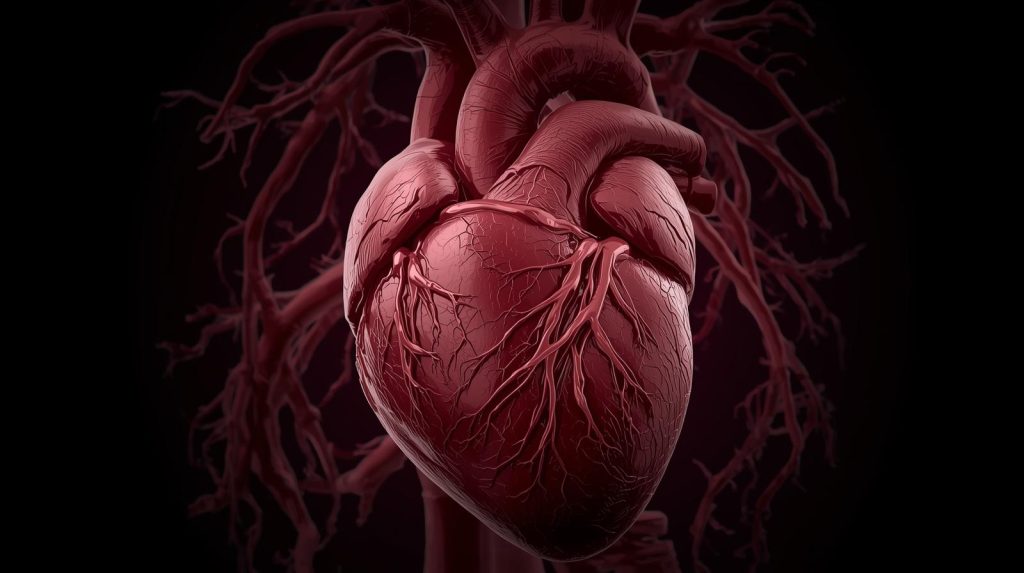
Let’s be real — when it comes to heart problems, most people imagine something dramatic: chest pain, clutching your shirt, falling over like in movies. But in real life, heart issues usually start quietly. No big warning sign, no movie scene — just small things your body keeps trying to tell you until it can’t be ignored anymore.
The scary part is, a lot of people miss these early hints. They think it’s stress, age, lack of sleep, or just being “out of shape.” But the truth is, the heart gives you subtle clues long before it hits a breaking point. Recognizing them early can literally save your life.
So, here are seven real signs your heart might be struggling — not to scare you, but to make you aware. Because prevention always beats treatment.
1. You’re more tired than usual — and not just from work
If you feel drained all the time, even after a full night’s sleep, that’s not normal. Chronic fatigue can be an early warning sign that your heart isn’t pumping efficiently.
When your heart can’t deliver enough oxygen-rich blood throughout your body, everything slows down — including your energy. You might find yourself exhausted after light physical activity, like climbing stairs or carrying groceries.
It’s easy to brush it off as “just being tired,” but persistent fatigue that doesn’t match your level of activity should make you pause and pay attention.
2. Swollen feet or ankles
Notice your shoes feeling tighter than usual by the end of the day? That could be your heart talking. When the heart doesn’t pump blood efficiently, it causes fluid to build up in your tissues — especially in your legs, ankles, and feet.
It’s called edema, and while it can have other causes, like kidney or liver problems, it’s often an early sign of heart failure. If you press on your ankle and it leaves a dent that stays for a few seconds, that’s your cue to get it checked.
3. Shortness of breath
If you find yourself catching your breath after minimal effort — walking to the kitchen, making the bed, or just talking — that’s not something to ignore.
This can happen when the heart can’t pump blood effectively, causing fluid to back up into the lungs. It makes breathing harder, especially when lying flat. Some people notice they need an extra pillow or two to sleep comfortably because of that pressure.
This isn’t “just getting older” — it’s a red flag that deserves attention.
4. Jaw, back, or shoulder pain
One of the most misunderstood signs of a heart issue, especially in women, is pain that’s not in the chest.
Heart pain can sometimes show up as discomfort in your upper back, shoulders, jaw, or even neck. It might feel dull or like pressure rather than sharp pain. Some people mistake it for muscle strain or a pinched nerve.
But here’s the thing — the heart shares nerve pathways with these areas, so when it’s under stress, your brain can get “confused” about where the pain is really coming from.
5. Irregular heartbeat
A healthy heart has a natural rhythm. If yours suddenly starts skipping beats, racing without reason, or pounding in your chest, that’s something you shouldn’t brush off.
Occasional palpitations can be harmless — caffeine, stress, or dehydration can cause them. But if they happen often, last longer, or come with dizziness or shortness of breath, it could be a sign of atrial fibrillation or another arrhythmia.
Irregular rhythms increase the risk of stroke and heart failure. So even if you feel fine otherwise, it’s worth mentioning to a doctor.
6. Lightheadedness or dizziness
If you often feel dizzy when you stand up or randomly throughout the day, it might not just be low blood sugar or dehydration.
The heart’s job is to maintain steady blood flow to your brain. When it can’t do that properly, blood pressure drops, and you feel lightheaded. Frequent dizziness can point toward heart valve problems or arrhythmias that disrupt normal circulation.
Bottom line: your body is telling you that your blood isn’t reaching where it needs to go — and your heart might be the reason.
7. Persistent cough or wheezing
A cough that won’t go away — especially one that gets worse when lying down — can sometimes be tied to heart issues, not just your lungs.
When the heart struggles to pump, fluid can back up into the lungs, causing a wet, frothy cough or wheezing. Some people even notice pinkish mucus due to small amounts of blood mixing in.
If you’ve been treating it like a “chronic cold” but nothing helps, it might be worth checking your heart instead of your throat.
Why These Signs Matter
Most people wait until something feels really wrong before seeing a doctor. But with the heart, that’s the worst approach. By the time severe symptoms show up, damage might already be happening silently.
Your heart works 24/7, without breaks — it deserves regular maintenance. And that means listening when it starts whispering instead of waiting for it to scream.
What You Can Do Right Now
-
Don’t ignore small symptoms. If anything here sounds familiar, get it checked. It’s always better to rule out a heart issue early.
-
Stay active. Even light movement, like walking, helps strengthen your heart.
-
Watch your blood pressure and cholesterol. They’re silent killers if you let them go unchecked.
-
Eat clean and stay hydrated. Processed foods, too much salt, and dehydration all make the heart’s job harder.
-
Take stress seriously. Emotional stress can impact your heart just as much as physical strain.
And above all — know that early detection saves lives. The sooner you recognize what your body is saying, the faster you can act.
Final Thoughts
Your heart rarely fails out of nowhere. It gives signals — small ones, subtle ones — long before real damage sets in. The problem is, we’re so used to ignoring our bodies until something drastic happens.
If you’ve been feeling “off” lately — more tired, more breathless, maybe swollen feet or weird pains that don’t add up — take it seriously. One checkup could save years of your life.
Because at the end of the day, your heart is doing everything for you — every beat, every second, without stopping. The least you can do is listen when it’s trying to tell you something.