
When Your Kidneys Start Sending Warnings — Why Ignoring Them Can Be Dangerous
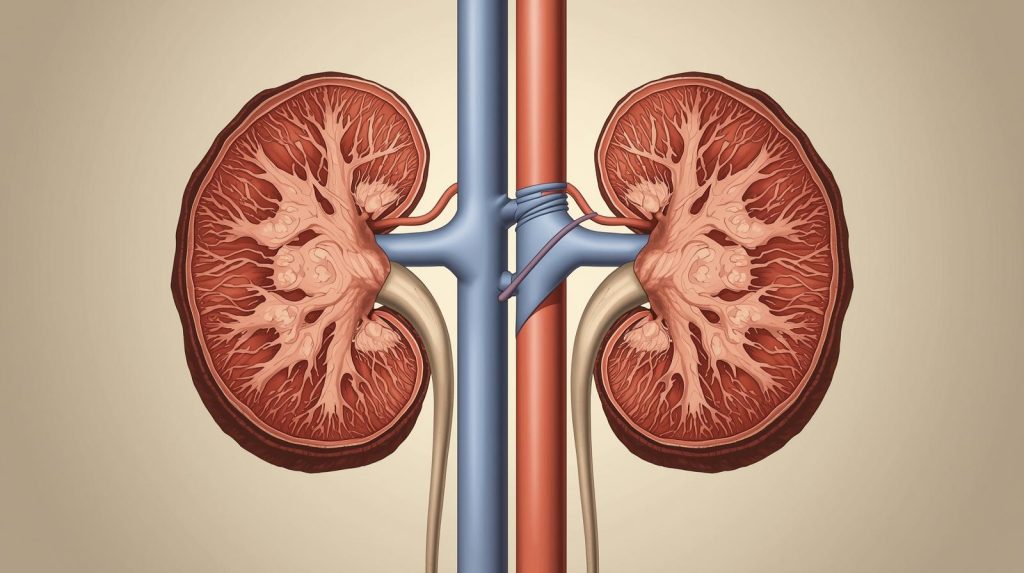
We don’t talk about kidneys as much as we should. They’re quiet, tucked away deep in your lower back, and they rarely get credit for the hard work they do every single day. But the truth is, your kidneys are doing more to keep you alive and balanced than you probably realize. They filter your blood around 50 times a day, remove toxins, manage fluid levels, balance electrolytes, regulate blood pressure, and even help control the production of red blood cells.
The problem? Most people don’t notice when their kidneys are struggling. There’s no pain, no loud symptom, no flashing warning light. By the time something feels wrong, the damage is often already serious. So, let’s talk about what your kidneys really do, how to recognize early signs of stress, and how to protect them before it’s too late.
The Hidden Workload of Your Kidneys
Your kidneys are like two powerful chemical plants working nonstop. They filter about 180 liters of blood every day, removing waste and excess water while keeping everything else — like sodium, potassium, and calcium — in perfect balance.
They also regulate your blood pressure by releasing hormones that control how much fluid stays in your body. And when oxygen levels drop, your kidneys signal your bone marrow to make more red blood cells. Basically, they’re multitasking on a level no human could handle.
But when you start living on processed food, caffeine, and painkillers, and forget about hydration, you’re slowly overloading them.
How Modern Lifestyles Are Hurting Our Kidneys
Today’s way of living is quietly brutal on our kidneys. Some habits seem harmless but create long-term strain:
-
Not drinking enough water: The kidneys rely on hydration to flush out toxins. Chronic dehydration means toxins sit in the blood longer, forcing kidneys to work harder.
-
Too much salt: High sodium diets increase blood pressure and make the kidneys retain water — over time, this leads to damage in the filtering units (nephrons).
-
Overuse of painkillers: Painkillers like ibuprofen and naproxen can reduce blood flow to the kidneys when used frequently.
-
Processed food and sugary drinks: High sugar intake leads to insulin resistance, which can eventually cause kidney damage through diabetes and hypertension.
-
Ignoring infections: Urinary tract infections (UTIs) that go untreated can spread upward to the kidneys and cause long-term harm.
-
Sleep deprivation and stress: Both increase inflammation and cortisol levels, indirectly affecting kidney filtration and blood pressure.
Your kidneys can handle a lot — but not forever.
Early Signs Your Kidneys Are in Trouble
The tricky thing about kidney issues is that symptoms often appear late. But there are subtle signs that something isn’t right if you pay attention:
-
Swelling in ankles, feet, or face — fluid buildup due to poor filtration
-
Changes in urination — foamy urine, less frequent urination, or darker color
-
Fatigue and weakness — low oxygen from reduced red blood cell production
-
Back pain — dull pain on one or both sides of the lower back
-
Persistent nausea or metallic taste — toxins building up in the bloodstream
-
Shortness of breath — fluid accumulation in the lungs from kidney stress
-
Itchy or dry skin — mineral imbalance caused by kidney dysfunction
Most people mistake these symptoms for something else — “just tired,” “ate something weird,” “slept funny.” But your body has its own language. The kidneys often whisper before they scream.
The Connection Between Kidneys, Blood Pressure, and Diabetes
Two of the biggest causes of kidney damage are high blood pressure and diabetes. Both create a kind of pressure overload on the kidneys.
High blood pressure damages the delicate blood vessels in your kidneys, making it harder for them to filter waste. Diabetes, on the other hand, causes high blood sugar levels that damage these same vessels from the inside.
That’s why doctors always monitor kidney function in diabetic or hypertensive patients — because once those nephrons (tiny filters) are gone, they don’t grow back.
The Truth About Protein and Kidney Health
You’ve probably heard that “too much protein is bad for your kidneys.” That’s true — in excess. Your kidneys have to work harder to process protein waste products like urea.
If you’re healthy, a high-protein diet in moderation won’t hurt you. But if you already have reduced kidney function or risk factors like diabetes, then yes — too much protein (especially from red meat) can accelerate damage.
Balance is everything. If you love your protein shakes, just make sure you’re staying hydrated and keeping your doctor in the loop.
How to Keep Your Kidneys Healthy
You don’t need expensive detox drinks or strange diets. What your kidneys need most is consistency and care. Here’s what actually helps:
1. Stay Hydrated
Water is your kidneys’ best friend. Aim for clear or light-yellow urine — that’s a good sign you’re hydrated enough.
2. Go Easy on Salt
Try to limit processed foods and canned soups. Instead, use herbs and natural spices to flavor your food.
3. Eat Clean
Fruits, vegetables, whole grains, and lean proteins all support healthy kidney function. Berries, apples, leafy greens, and cauliflower are especially beneficial.
4. Control Blood Pressure and Sugar
If you have hypertension or diabetes, managing those conditions is the single most important step to protect your kidneys.
5. Limit Over-the-Counter Medications
Painkillers, certain antibiotics, and even some antacids can be rough on your kidneys if taken too often.
6. Exercise Regularly
Staying active improves circulation, balances blood pressure, and supports healthy kidney filtration.
7. Avoid Smoking and Heavy Drinking
Both increase blood pressure and reduce oxygen flow to kidney tissue.
What Doctors Want You to Know
Doctors often call kidney disease “the silent killer.” You can lose up to 90% of kidney function before noticing any symptoms. That’s why simple blood and urine tests — checking creatinine, urea, and albumin levels — are so important.
They can detect problems years before damage becomes permanent.
For people at higher risk — those with diabetes, hypertension, or family history — regular screening is essential. Early detection doesn’t just slow the damage; it can stop it completely with the right changes.
The Recovery Window
Here’s the good news — your kidneys are remarkably resilient. If you catch the problem early, you can often reverse mild damage. A balanced diet, proper hydration, reduced stress, and medical guidance can restore healthy function.
But once chronic kidney disease reaches later stages, there’s no going back. At that point, dialysis or transplant becomes the only option. That’s why prevention matters so much more than cure.
The Bottom Line
Your kidneys work silently, cleaning your blood every moment of your life. They don’t complain until they’ve reached their limit — and by then, it’s often too late.
So when you feel unusually tired, swollen, or your urine looks different — don’t ignore it. Drink your water. Eat cleaner. Check your blood pressure. Get tested once in a while. It’s simple, but it’s the kind of simplicity that saves lives.
Your kidneys deserve attention before they start crying for help. Listen while they’re still whispering.