
In the body created by the Creator, bones hold the same importance as pillars in the construction of a building. Bones not only enhance the beauty of the human body but also form the foundation of a healthy physique. However, with age, bone-related problems have become increasingly common. These problems worsen during the winter season, often causing such severe joint pain that even walking becomes difficult.
In women, bone problems are largely linked to a deficiency of a hormone called estrogen. After menopause, the production of this hormone decreases significantly, leading to a condition known as osteoporosis, or “brittle bones.”
In this disease, bones become weak and lose calcium, making them thin, dry, and prone to fractures even from minor injuries. Generally, between the ages of 45 and 50, women begin to suffer from bone degeneration or brittleness. This condition occurs when bones lose their proteins and minerals, especially calcium. Over time, bone strength declines, and bones become weak and fragile.
Women are more prone to this disease because their height — and therefore their total bone mass — is less than that of men. As they age, the bone fibers in women decrease more rapidly. On average, women lose 30% to 50% of their bone density during their lifetime, while men lose only 20% to 33%.
Calcium plays a fundamental role in preventing this condition. If the body has an adequate amount of calcium, the risk of developing this painful disease decreases greatly. In simple terms, maintaining sufficient calcium in the body helps protect against bone loss.
Calcium is essential for bone health — it not only keeps bones strong but also acts as a “binding material” that holds them together. Sufficient calcium levels help women avoid joint pain, so they should ensure they are not calcium deficient. However, it is important to remember that calcium alone cannot reach the bones effectively; it also requires vitamin D to be absorbed properly. Therefore, foods rich in calcium and vitamin D should be included in the daily diet.
Besides calcium and vitamin D, other nutrients also play an important role in bone strength — such as magnesium, vitamin C, and various minerals. These elements support bone health, so it’s important to ensure they are not lacking in the body — especially for women over 40 years of age. Women in this age group should include milk, butter, and yogurt in their diet. They should also eat spinach, beans, salads, eggs, and fish. Foods rich in amino acids are especially beneficial, as they help the body absorb calcium more effectively.
Consuming foods high in vitamin C, such as lemons, oranges, and tangerines, is also important because vitamin C helps the body use calcium efficiently.
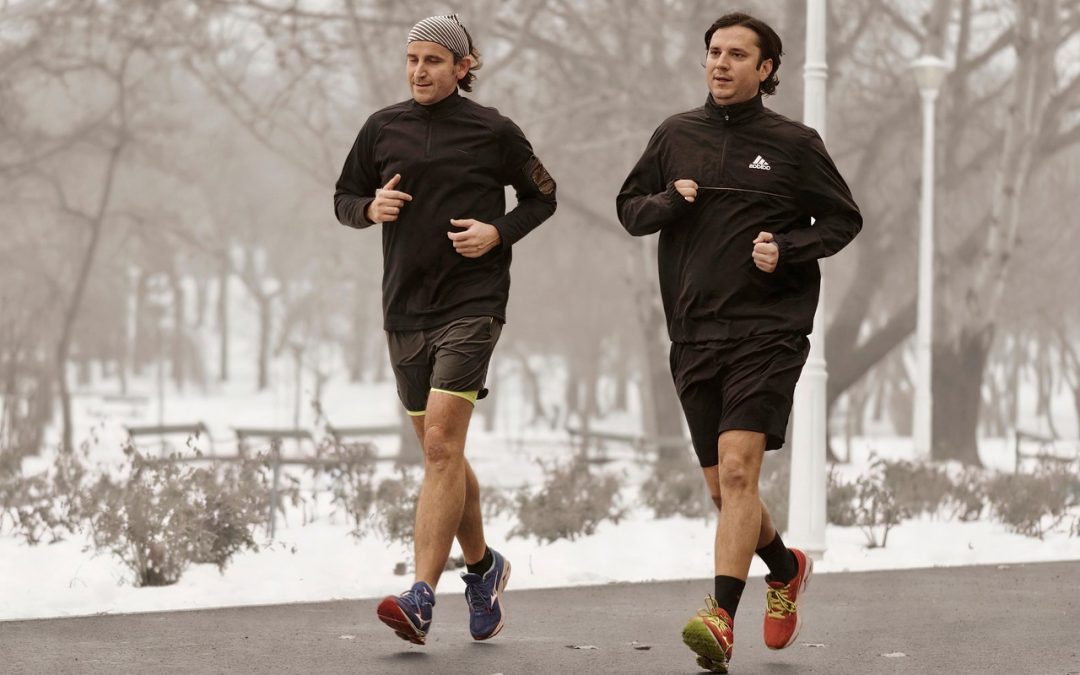
Winter sunlight is another great source of vitamin D, so spending time in the sun is essential for bone health. During cold weather, drink soups, eat fish, stay active, and participate in activities that involve movement of the arms and legs. Engage in walking or cycling regularly in the morning and evening as much as your health allows.
In osteoporosis, movement can become difficult due to pain and stiffness in the muscles. However, knees play a vital role in movement. The knee joint — connecting the thigh bone and the shin bone — is naturally designed to provide flexibility as well as stability to the body.
In this condition, pain and stiffness in the joints are common. The functionality of knee joints depends on the strength of the muscles around them, especially the front thigh muscles. Strengthening these muscles through targeted exercises can significantly reduce pain. Keeping the knees active and mobile is essential — even when there is discomfort. It is better to stay active and strengthen the muscles around the knees than to remain sedentary.
Exercises like walking or cycling are very beneficial for stabilizing the knee muscles. They make the knees more capable of bearing weight and help maintain joint health.
Although osteoporosis affects all bones in the body, some bones and joints are more vulnerable — such as the spinal vertebrae, shoulder joints, and back bones. Conditions like sciatica, joint pain, knee pain, thigh pain, arthritis, wrist and arm pain, and rib fractures are all linked to bone weakness.
These pains often intensify during the winter season. Joint pain usually affects weight-bearing joints the most — especially the knees. Common symptoms include swelling in the knees, cracking sounds, pain while climbing stairs, and increased pain during bending or prayer postures — all of which can be extremely uncomfortable.
It is often said that age is a matter of mindset — if we keep ourselves mentally positive and calm, we will also feel physically better and more capable of facing aging. The key lies in how we feel internally.
One reason people in Western countries tend to live longer is that they strive to remain both mentally and physically active. In contrast, many people in our region — especially women — begin to feel “old” as they approach forty. In reality, life begins after forty.
Women should engage in regular exercise or walking, eat nutritious foods, and ensure they are meeting their daily calcium requirements (about 400–800 mg per day for an adult). By doing so, they can protect their bones from deterioration and maintain strength, stability, and vitality throughout their lives.