
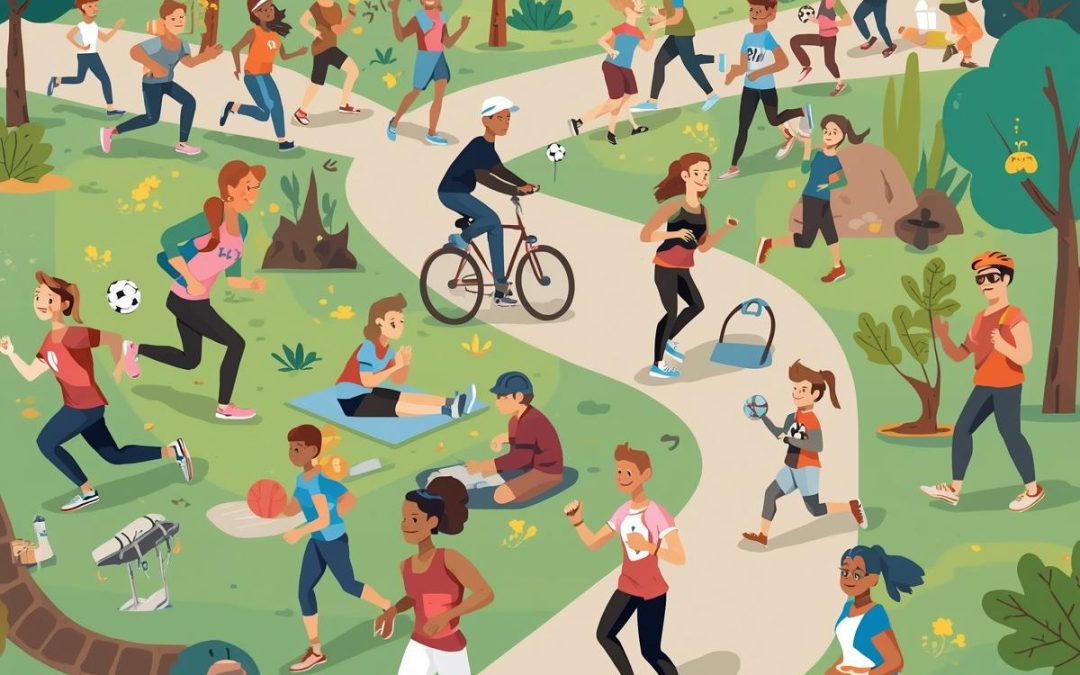
In today’s fast-paced, technology-driven world, our lifestyles have changed drastically. We’ve become so occupied with work, screens, and social media that physical activity has slowly faded into the background. While technological advancement has made life easier in countless ways, it has also distanced us from habits that once kept our bodies strong and our minds active.
Yet, no matter how advanced we become, one truth remains constant — our physical and mental well-being depends heavily on movement, exercise, and an active lifestyle.
How Our Choices Shape Our Health
The situations we face in life often depend on the decisions we make. Whether the outcome is positive or negative determines how we plan our future. Naturally, humans always seek what’s best for themselves — and when it comes to health, no one willingly chooses a path that harms their body.
Despite our remarkable progress — from reaching the moon to developing artificial intelligence — we can’t replace the power of a healthy, active human body. Modern technology may have brought immense convenience, but it has also made us more sedentary.
Where children once played outside every evening, running and laughing with friends, today’s youth often spend hours on their phones, laptops, or video games. Physical play has been replaced by virtual activity. Dinner tables once filled with conversation are now quiet, replaced by the glow of mobile screens.
This shift has silently affected not only our physical health but also our emotional and social well-being.
The Power of Physical Activity
Modern research proves that regular physical activity benefits our physical, mental, and social health. Studies link it directly to a lower risk of heart disease, obesity, and even certain cancers. For children and teenagers, physical activity supports academic success, emotional stability, and better social behavior. For adults, it improves longevity, strength, and quality of life.
Despite global awareness campaigns, countries like Pakistan still lack sufficient understanding of how crucial regular exercise really is.
A healthy lifestyle demands regular exercise — it is not optional. Exercise keeps the body fit, prevents diseases, manages weight, and boosts mental clarity. It even plays a therapeutic role in reducing stress, anxiety, and depression.
Understanding BMI (Body Mass Index)
A person’s BMI (Body Mass Index) is one of the easiest ways to measure body fat in relation to height and weight. It applies to both men and women and is calculated using this formula:
BMI = weight (kg) / [height (m)]²
Here’s how BMI is classified:
-
18.5 – 24.9: Healthy weight
-
25 – 29.9: Overweight
-
30 and above: Obese
Maintaining a healthy BMI through regular physical activity and balanced nutrition can drastically improve one’s overall health and life expectancy.
Why Young People Need Exercise the Most
The Centers for Disease Control and Prevention (CDC) recommends that children and adolescents aged 6 to 17 years should engage in at least 60 minutes (one hour) of moderate-intensity physical activity daily.
But why is this so important? Let’s explore how exercise influences every aspect of a young person’s life.
1. Physical Health
Exercise builds strong bones and muscles, strengthens the heart and lungs, and helps maintain a healthy body weight. It also protects against long-term health conditions such as heart disease, stroke, type 2 diabetes, and certain cancers.
Young bodies are still growing, and regular activity ensures that growth happens in a strong and healthy way.
2. Mental Health
The mental benefits of exercise are just as powerful as the physical ones. Regular activity reduces stress, anxiety, and depression. It boosts self-confidence, sharpens focus, and improves sleep quality.
When young people challenge themselves through physical effort — be it running, swimming, or playing a sport — they experience a natural sense of achievement. This builds emotional resilience and inner strength.
Exercise triggers the release of endorphins, often called happy hormones, which help create feelings of joy and satisfaction.
3. Academic Performance
Numerous studies have shown that physically active students tend to perform better in school. They are more attentive, have improved memory, and often achieve higher grades compared to their less active peers.
Physical activity increases blood flow to the brain, which enhances focus and creativity. Moreover, students who exercise regularly also maintain better attendance because they get sick less often.
4. Social Skills Development
Team sports and group activities teach essential social skills like teamwork, communication, cooperation, and leadership.
When youth participate in games like football, basketball, or volleyball, they learn to trust others, solve problems collectively, and celebrate both victory and defeat with grace.
Exercise also opens opportunities to meet new people, build friendships, and strengthen community ties — something that screen time can never replace.
5. Lower Risk of Injury
Regular physical activity improves coordination, balance, and flexibility, which lowers the chances of accidents or injuries.
Those who are used to movement and exercise have stronger muscles and joints, reducing the likelihood of sprains or strains. Moreover, their immune systems become stronger, making them less prone to illness.
Different Ways to Stay Active
Physical activity doesn’t have to be boring or repetitive. There are many enjoyable ways to stay fit, depending on one’s interest and lifestyle.
Team Sports
Sports like football, basketball, and volleyball combine fun with fitness. They’re great for improving stamina while fostering teamwork and friendship.
Individual Activities
If you prefer solo activities, you can try running, swimming, cycling, horse riding, or hiking. These not only build endurance but also give you time for personal reflection.
Recreational Exercise
Even traveling, walking, or yoga can be powerful physical activities that help refresh both body and mind.
The key is to find something you enjoy. When exercise feels like fun, it becomes a part of your daily life — not a chore.
How Parents and Teachers Can Help
Encouraging young people to stay active isn’t just their responsibility — it’s a shared duty of parents, teachers, and the community.
Here’s how they can help:
-
Provide safe spaces where children can play and move freely.
-
Enroll them in training classes or sports programs that build discipline and skills.
-
Limit excessive screen time and promote outdoor activities.
-
Most importantly, set an example — when adults themselves participate in physical activities, children naturally follow.
A simple family walk after dinner, a weekend hike, or a community sports day can go a long way in building lifelong healthy habits.
The Bigger Picture: A Healthier Future
As modern lifestyles become increasingly sedentary, promoting physical activity is more important than ever. The rise of chronic illnesses like obesity, diabetes, and heart disease among young people is a clear warning sign.
By making exercise a regular part of our daily lives, we not only build stronger bodies but also sharper minds and more resilient communities.
It’s not about spending hours in the gym — it’s about staying active in any way possible: walking, dancing, cycling, gardening, or simply choosing stairs over the elevator. Every step counts.
In Conclusion
Exercise is not just a way to stay fit — it’s a way to live fully.
It strengthens the body, calms the mind, and connects us to the world around us.
So, whether you’re a student, a working professional, or a parent — make physical activity a daily habit. Encourage your family, friends, and community to move more, play more, and live better.
Remember, a healthy life begins with an active choice — and that choice is yours to make, starting today.