
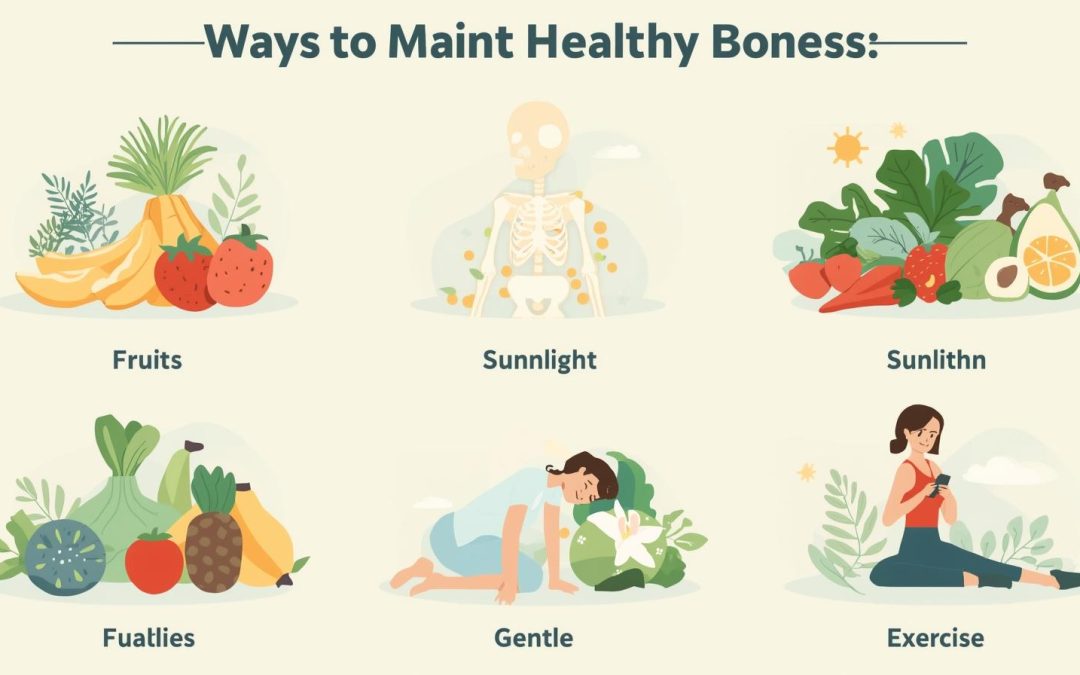
Strong bones are the foundation of a healthy and active life. They support your body, protect your organs, and keep you moving freely every single day. Yet, most people don’t start paying attention to bone health until a problem arises — like joint pain, stiffness, or the early signs of osteoporosis.
Building and maintaining strong bones isn’t complicated — it’s all about making small, consistent lifestyle choices.
Let’s explore these six science-backed ways to strengthen your bones naturally.
1. Fuel Your Body with Calcium
Calcium is the building block of bones — it’s what gives them structure and strength. About 99% of the calcium in your body is stored in your bones and teeth. When you don’t get enough, your body starts pulling calcium out of your bones, making them weak and brittle.
making calcium a daily priority. You can get it easily from natural foods such as:
-
Milk, yogurt, and cheese
-
Leafy green vegetables like spinach and kale
-
Almonds, sesame seeds, and tofu
-
Fortified foods like orange juice or cereals
Instead of taking all your calcium in one go, spread it throughout the day for better absorption. For older adults — especially those above 50 — calcium absorption decreases with age, so you might need to discuss supplements with your doctor.
Pro tip: Combine calcium-rich foods with vitamin D sources so your body can actually use the calcium effectively.
2. Boost Vitamin D for Better Absorption
Vitamin D is like the key that unlocks calcium’s potential. Without it, even a calcium-rich diet won’t strengthen your bones.
One of the easiest ways to get vitamin D is sunlight. Just 15–20 minutes of sun exposure on your arms and face each day — preferably in the morning or late afternoon — can be enough for your body to produce what it needs.
Other sources of vitamin D include:
-
Fortified milk and dairy products
-
Oily fish such as salmon, tuna, and mackerel
-
Egg yolks
-
Vitamin D supplements (if prescribed by a doctor)
If you spend most of your day indoors or live in areas with limited sunlight, get your vitamin D levels checked regularly. A deficiency can lead to fatigue, muscle weakness, and brittle bones.
3. Stay Active with Weight-Bearing and Resistance Exercise
Exercise doesn’t just tone your muscles — it builds bone strength too. Bones are living tissue, and they grow stronger when you put stress on them.
Doctors emphasizes weight-bearing and resistance exercises as the most effective way to improve bone density. These include:
-
Walking, jogging, or stair climbing
-
Dancing or aerobics
-
Strength training with weights or resistance bands
-
Yoga and balance exercises
Aim for at least 30 minutes of physical activity five days a week. Start slow and gradually increase the intensity. If you’re older, focus on safe, low-impact movements that improve balance and reduce your risk of falls.
Remember — even light daily activity, like walking or gardening, is far better than sitting for hours.
4. Quit Smoking and Limit Alcohol
Two of the biggest enemies of bone health are smoking and excessive alcohol consumption.
Smoking reduces blood flow to your bones and interferes with bone-forming cells called osteoblasts. It slows down bone healing and increases the risk of fractures.
Similarly, drinking too much alcohol reduces calcium absorption and affects the hormones that regulate bone growth. It also increases the chances of falling, especially in older adults.
Quitting smoking and cutting down alcohol not only protect your bones but also improve heart health, immunity, and overall well-being.
If you’re finding it hard to quit, seek professional help or support groups — small changes lead to big results.
5. Don’t Forget Protein — the Unsung Hero of Bone Health
While calcium and vitamin D get all the attention, protein is just as crucial for healthy bones. Bones aren’t made of minerals alone — they’re built on a collagen matrix, and collagen is a protein.
Without enough protein, your bones become fragile and your muscles weaken — increasing your risk of falls and fractures.
add high-quality protein sources to your diet, such as:
-
Lean meats like chicken and fish
-
Eggs and dairy products
-
Lentils, chickpeas, and beans
-
Nuts and seeds
Protein also helps preserve muscle mass, which is essential for stability and posture as you age.
However, balance is key — avoid over-reliance on red meat or high-fat proteins. Combine your protein intake with plenty of fruits, vegetables, and whole grains for a balanced diet.
6. Watch Out for Hidden Health Issues
Sometimes, weak bones aren’t just a result of poor lifestyle habits — they could be a symptom of an underlying medical condition.
Certain diseases like thyroid disorders, chronic kidney disease, or rheumatoid arthritis can affect bone density. Some medications — particularly long-term steroids — can also weaken bones over time.
That’s why almost all doctors stresses the importance of regular health check-ups and bone density scans (DEXA scans) for anyone over 50 or with risk factors such as:
-
Previous bone fractures
-
Family history of osteoporosis
-
Hormonal imbalances
-
Long-term medication use
Early diagnosis helps prevent severe bone loss and keeps you in control of your health.
Simple Lifestyle Habits That Support Bone Strength
Beyond diet and exercise, there are several small, daily habits that make a big difference:
-
Stay hydrated: Dehydration affects your muscles and joints, leading to stiffness and fatigue.
-
Maintain a healthy weight: Being underweight or obese both strain your bones.
-
Improve posture: Sit and stand tall to protect your spine and joints.
-
Ensure home safety: Remove tripping hazards, use anti-slip mats, and ensure good lighting to prevent falls.
-
Practice balance exercises: Yoga and tai chi are great for improving coordination and reducing fall risk in older adults.
Strong bones are not built overnight — it’s a long-term commitment. Start with small, realistic steps, like walking 30 minutes daily or adding one extra serving of greens to your meals. Over time, these habits add up and transform your health.
Final Advice
It’s never too late to start caring for your bones. Even if you’re in your 50s, 60s, or beyond, making small, consistent changes can still strengthen your bones and improve your quality of life.
Your bones carry you through every moment of your life — they deserve care, movement, and nourishment.
So, begin today:
-
Eat well.
-
Move often.
-
Rest properly.
-
Stay positive.
With a little attention and consistency, you can enjoy strong bones, a stronger body, and a happier, more active future.
Final Thoughts
Bone health isn’t just a medical concern — it’s a lifestyle choice. You don’t need fancy supplements or expensive treatments to keep your bones strong. All you need is awareness, a balanced diet, regular exercise, and self-discipline.
By following these six simple yet powerful strategies, you’re not just protecting your bones — you’re investing in your independence, confidence, and long-term vitality.