
you can’t feel high blood pressure — but it’s quietly changing everything inside you
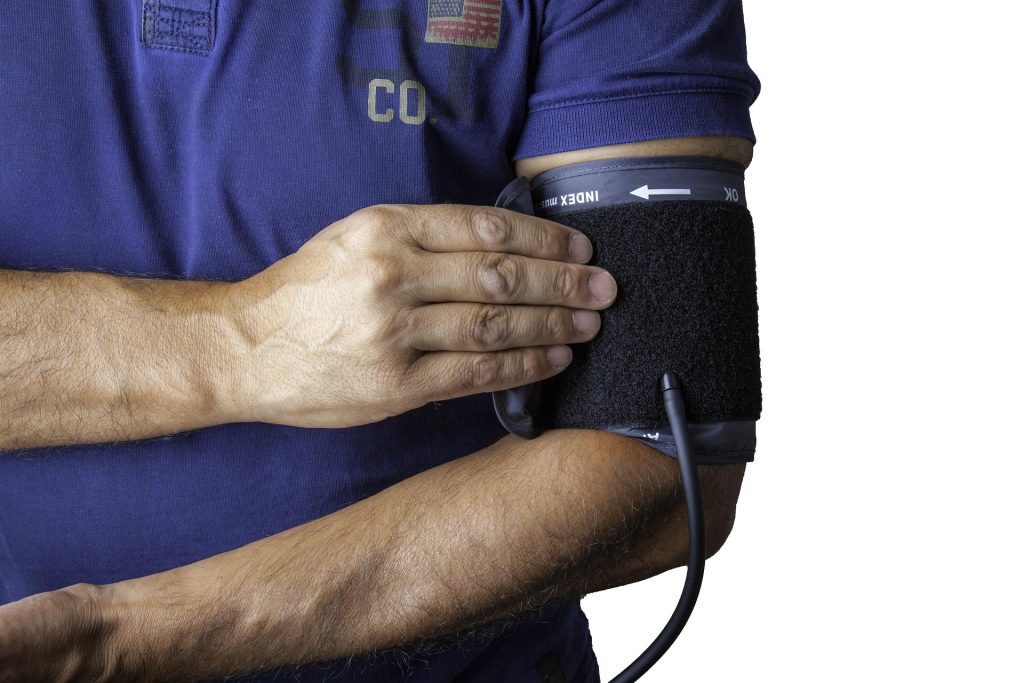
here’s the tricky thing about high blood pressure: it doesn’t hurt. you don’t feel dizzy every day, you don’t always get headaches, and you can look perfectly fine while your heart, arteries, and kidneys are working overtime just to keep you standing.
most people only find out by accident — during a routine check or when something suddenly goes wrong. and that’s what makes it dangerous. it’s slow. silent. constant.
what’s actually happening inside
when your blood pressure’s high, it means the blood is literally pushing too hard against your artery walls. your heart’s pumping harder than it should, and those vessels — they start to stiffen and thicken over time.
that doesn’t sound dramatic, but over months and years, it adds up:
-
your heart muscle thickens, but not in a good way — it struggles to relax and fill properly.
-
your kidneys lose their filtering power.
-
your eyes can get damaged blood vessels.
-
and the worst part — your risk of a stroke or heart attack skyrockets.
it’s not about one bad week of stress — it’s about a pattern you might not even notice.
what you can actually do (realistic steps)
1. get a home monitor.
don’t wait for doctor visits. blood pressure cuffs are cheap and easy to use. check at least twice a week, same time of day, sitting calmly. keep a log — that’s how you spot trends before they become problems.
2. salt isn’t your friend.
we all love salty food, but sodium is sneaky. it’s not just chips or fries — it’s hidden in bread, sauces, soups, even “healthy” frozen meals. read labels. stay under 1500 mg a day if you can. your heart will thank you.
3. fix your sleep.
bad sleep raises cortisol (your stress hormone), which raises blood pressure. aim for 7–8 hours, consistent bedtime, and if you snore or wake up exhausted — get tested for sleep apnea. that’s a huge hidden cause.
4. move, even a little.
you don’t need to “work out” — just move. walk after dinner, use stairs, do chores, stretch. 30 minutes of light movement daily can drop your pressure in weeks.
5. manage stress — for real.
not the “take a deep breath” kind of advice — find what genuinely calms your mind. for some people it’s prayer, for others it’s music, journaling, or a quiet drive. your blood vessels respond to calm — literally.
6. check your meds.
some painkillers, birth control pills, and even cold medicines can raise blood pressure. if you’re on long-term meds, talk to your doctor before assuming “it’s just me.”
7. don’t ignore the numbers.
normal is around 120/80.
if it’s consistently over 130/85 — that’s not “a little high.” that’s the early warning sign. the earlier you start making changes, the easier it is to control.
what no one tells you
once your blood pressure’s been high for a while, you might feel normal again — because your body adjusts to that state.
that’s why people stop meds or stop checking.
they think, “I feel fine now.”
but it’s not fine. your body’s just surviving. and you deserve better than survival.
the bottom line
you can’t outsmart high blood pressure with just “feeling okay.”
you beat it by catching it early, tracking it, and treating your body with the respect it’s been begging for.
so if you’re reading this, promise yourself one thing: check your blood pressure this week.
don’t wait for symptoms. don’t wait for a reason. just check.
it’s one of the simplest ways to protect your future self.