
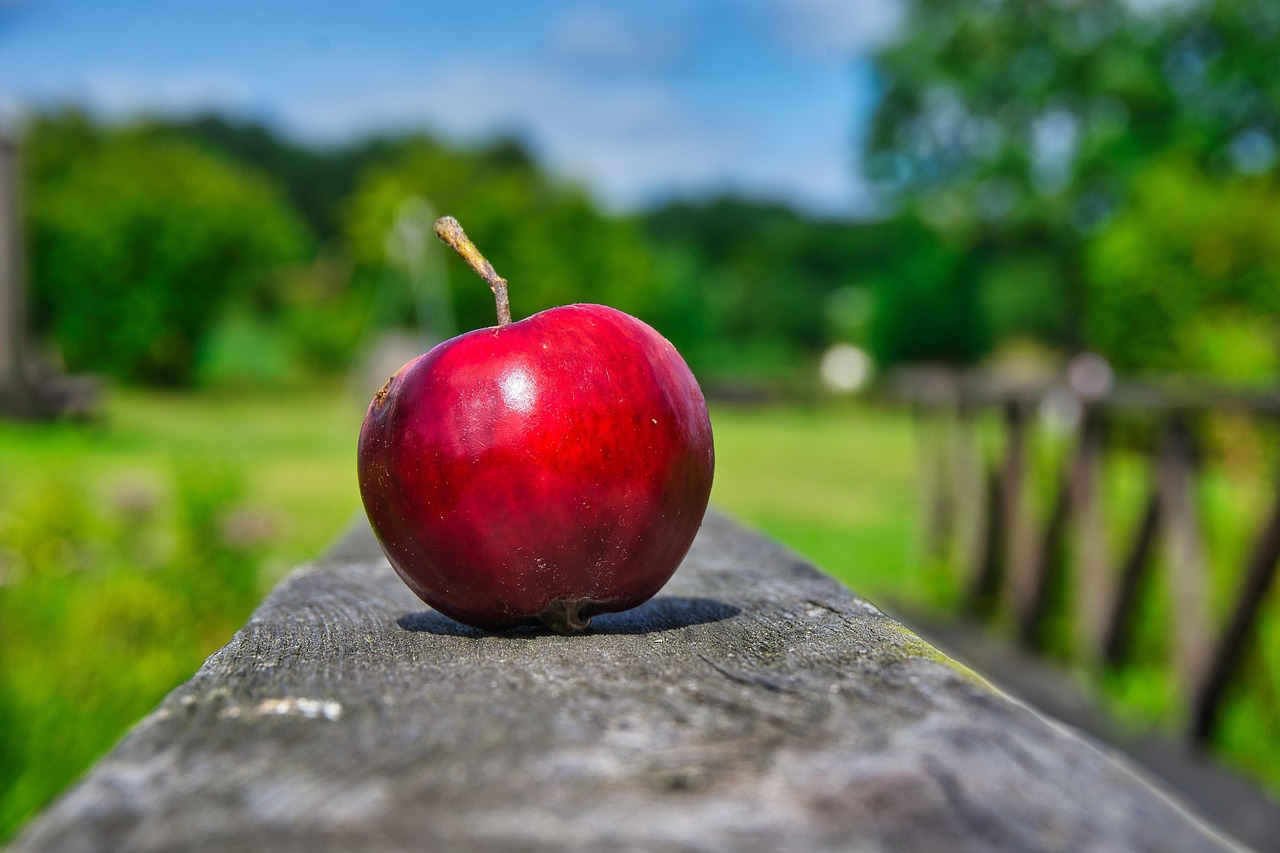
If apples are called food for the brain, it would not be wrong. They contain high levels of phosphorus and iron, and these two nutrients are essential fuel for the brain. In terms of taste and nutrition, apples are a strengthening fruit. Whether they are red, green, yellow, or golden in color, they are beneficial in all forms. It is said that apples were originally discovered around the Black Sea and later grew in Europe in the form of a wild plant.
There are many varieties of apples. They are used for eating fresh, cooking, and making preserves. They are abundantly available in Europe and North America. In addition, they are grown widely in Australia, New Zealand, South Africa, and Asia.
Nutritional Components
Apples contain iron, phosphorus, sugar, Vitamin A, Vitamin B, and their peel is rich in Vitamin E.
They also contain a component known as Pectin, which is particularly effective for lowering cholesterol.
Medicinal Properties
Thanks to the presence of phosphorus and iron, apples help produce pure and healthy blood. They are beneficial for heart conditions, stomach and liver issues, and bone health. Apples strengthen the brain, help fight anemia, and are especially recommended for women suffering from iron deficiency.
When blood increases, complexion improves, appetite enhances, and the heart, stomach, liver, and brain receive fresh energy. Apples also help reduce heat in the body. They are considered an excellent fruit for heart diseases. They are beneficial for patients suffering from tuberculosis or respiratory illnesses. Apples stop diarrhea, improve liver function, and remove laziness caused by sluggish metabolism. Many doctors prescribe apples for stomach and intestinal disorders.
Apples counter weakness, help in recovery from illness, and benefit kidney and dental health. When eaten at breakfast, they boost strength and refresh both mind and body. Apples restore lost energy in new mothers. They are suitable and nourishing for people of all ages.
Precautionary Tips
Apples are often eaten after meals, but if eaten before food, they help relieve constipation. Eating them afterward does not harm digestion but may slow the process slightly. For stronger gums, it is best to eat apples with the peel. Children should especially be given apples with the peel.
Cut apples quickly change color because of their iron content. If not eaten immediately, they lose freshness. Either eat the apple or take out its juice right away—do not store cut apples for long.
Pregnant women worried about weight gain should eat apples along with iron supplements. Whether consumed as whole fruit or juice, apples are equally beneficial.
Apple Preserve & Apple Tea
In many Eastern households, apple tea is prepared with lemon extract, cardamom, and honey. It is useful in dysentery. For apple preserve (murabba), it is better to cook apples with the peel. After preparing them in sugar syrup and decorating with nuts, honey, and silver leaf, they not only look beautiful but are also delicious and healthy.
The Apple as a “Brain Food”: What Modern Science Says
While ancient cultures admired apples for their healing powers, modern science confirms that apples indeed play a significant role in supporting brain function. Here’s why:
✔ Iron: Fuel for Brain Cells
Iron is essential for delivering oxygen to the brain. When the brain receives sufficient oxygen, it functions with clarity and focus. Iron deficiency, especially in women, can cause:
-
fatigue
-
brain fog
-
poor memory
-
dizziness
Apples, though not extremely high in iron, help improve iron absorption when eaten with Vitamin C–rich foods.
✔ Phosphorus: The Memory Mineral
Phosphorus strengthens:
-
brain cells
-
memory
-
concentration
-
nerve communication
It is one of the main nutrients found in apples, especially in fresh and organic varieties.
✔ Vitamin E in the Peel:
Vitamin E prevents “aging of the brain” and protects against:
-
Alzheimer’s
-
memory decline
-
oxidative damage
This is why apple peel is so valuable.
Why You Should Eat Apples With the Peel
Most people peel apples due to habit or appearance — but almost 70% of the antioxidants are found in the peel itself. The peel contains:
-
Vitamin E
-
Quercetin (anti-inflammatory)
-
Fiber
-
Pectin
Together, they cleanse the intestines, stabilize blood sugar, and protect the heart.
Apples for Women’s Health
Apples are especially beneficial for women because they help with:
✔ Anemia
Women often suffer from iron deficiency due to menstrual loss. Apples support iron levels and improve hemoglobin.
✔ Pregnancy
Apples reduce nausea, improve digestion, and supply natural vitamins. Pregnant women who worry about weight gain can enjoy apples guilt-free—they are filling but low in calories.
✔ Postpartum Recovery
New mothers often experience weakness due to childbirth. Apples restore energy naturally, especially when eaten at breakfast.
Apples for Heart, Stomach & Liver
Research shows that apples are one of the few fruits that positively affect all three major organs:
✔ Heart Health
Pectin helps:
-
lower LDL cholesterol
-
reduce blood pressure
-
improve circulation
✔ Stomach Health
Apples soothe the stomach lining and improve digestion. For constipation, apples eaten before meals work wonders.
✔ Liver Detox
Apples help the liver break down toxins due to their antioxidant properties.
Apples for Children
Children should always be given apples with peel, as it strengthens:
-
gums
-
teeth
-
digestion
-
immunity
-
cognitive development
Apple slices with peanut butter are a perfect snack.
Apples for Weight Loss & Fitness
Apples are extremely helpful for people trying to lose weight because:
-
they are low in calories
-
high in fiber
-
reduce hunger
-
regulate blood sugar
-
boost metabolism
Eating a whole apple before a meal can naturally limit overeating.
Apple Tea, Apple Juice & Apple Preserve
✔ Apple Tea
Apple tea made with lemon, cardamom, and honey:
-
reduces stomach inflammation
-
improves digestion
-
helps with diarrhea
✔ Apple Juice
Fresh juice boosts hydration and improves iron absorption.
✔ Apple Preserve (Murabba)
When prepared with peel, it becomes a powerful tonic for:
-
weak bones
-
low energy
-
anemia
-
postpartum weakness
Best Time to Eat Apples
-
Morning: Best for boosting energy
-
Before Meals: Helps constipation
-
After Meals: Good but slower digestion
Avoid eating apples late at night if you have acid reflux.
Conclusion
The apple is more than a fruit — it is nature’s perfectly designed medicine. From brain health to digestion, from heart to bones, from children to pregnant women, apples serve as a universal health booster. Modern science and traditional wisdom agree on one point:
“An apple a day truly keeps disease away.”