
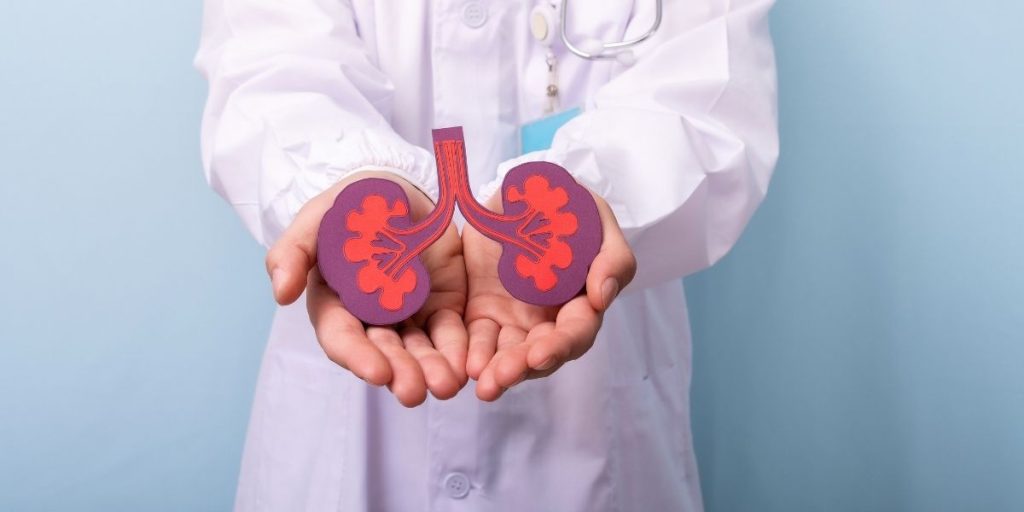
Understanding Kidney Health: A Comprehensive Guide to Prevention, Awareness, and Lifestyle Choices
Chronic Kidney Disease (CKD) is one of the fastest-growing global health threats. It is often called a “silent killer” because symptoms do not appear until the kidneys are significantly damaged. Today, millions of people around the world are living with impaired kidney function—many without even knowing it. High blood pressure, diabetes, unhealthy diet, smoking, and dehydration are among the most common causes of kidney damage, yet these risk factors are preventable.
The kidneys work tirelessly every second, filtering the blood, removing toxins, balancing fluid levels, and helping regulate blood pressure. When they fail, life becomes dependent on dialysis or expensive transplants. That is why kidney care is not just a medical concern—it is a global public health priority.
“It is important for people to know the condition of their kidney health and what actions they take to maintain it. To preserve kidney function for as long as possible in patients with chronic kidney disease, several measures must be taken… The entire world is troubled by this monster and wants to eliminate its causes.”
kidney disease is preventable, manageable, and treatable if detected early.
Now let’s explore this topic in depth.
1. Why Kidney Health Matters
Your kidneys perform several essential functions:
-
Filtering waste and toxins from the bloodstream
-
Regulating fluid levels
-
Balancing minerals like sodium, potassium, and calcium
-
Producing hormones that control blood pressure
-
Supporting bone health
-
Helping produce red blood cells
When the kidneys weaken, these systems collapse. The result may be:
-
high blood pressure
-
electrolyte imbalance
-
swelling
-
anemia
-
brittle bones
-
cardiovascular complications
-
kidney failure
Good kidney health therefore supports the entire body’s well-being.
2. The Global Burden of Chronic Kidney Disease
CKD affects nearly 850 million people globally, and the numbers continue to rise. The two biggest contributors—diabetes and hypertension—are becoming more common due to lifestyle changes.
“Seventy percent of kidney failure occurs because high blood pressure and diabetes are not treated properly or on time.”
This is a shocking statistic, but it is also a call to action. Both conditions are preventable and treatable with lifestyle modifications and medical monitoring.
3. Early Detection: The Key to Saving Kidneys
Kidney disease often shows no symptoms until late stages. That is why routine screening is essential, especially for:
-
diabetics
-
people with high blood pressure
-
overweight individuals
-
smokers
-
people with a family history of kidney disease
-
adults above age 40
Two tests can detect early kidney issues:
-
Urine albumin test – checks for protein leakage
-
Serum creatinine test – measures kidney filtration efficiency (eGFR)
Timely diagnosis can prevent irreversible damage.
4. Empowering Patients Through Education
“Education for kidney patients should be increased, including practical advice on diet and lifestyle.”
Patient empowerment is crucial. When individuals understand their condition, they are more likely to:
-
follow treatment plans
-
adopt healthier habits
-
avoid harmful foods
-
stay hydrated
-
stop smoking
-
monitor blood pressure and blood sugar
Kidney health education should be:
-
simple
-
clear
-
accessible
-
tailored according to literacy levels
5. Role of Healthcare Providers in Early Management
“Primary care physicians should be supported so they can improve prevention, early detection, and management across the full spectrum.”
This means:
-
Doctors should routinely screen high-risk patients
-
Hospitals must provide kidney health awareness programs
-
Early referrals to nephrologists should be encouraged
-
Lifestyle counselling should be integrated into primary care
Preventing kidney disease requires teamwork between healthcare systems and communities.
6. Healthy Lifestyle for Protecting Kidney Function
Now we move to the most important part—the lifestyle choices that protect your kidneys.
A. Reduce Salt Intake
High salt damages kidneys and raises blood pressure.
Recommended intake: 5 to 6 grams per day
Tips:
-
Avoid packaged snacks
-
Reduce pickles and salty foods
-
Limit restaurant food
-
Taste before adding extra salt
B. Drink Adequate Water
“Experts consider 2 to 4 liters of water daily essential.”
Water prevents kidney stones by flushing out minerals that would otherwise crystallize.
Signs you need more water:
-
dark yellow urine
-
headaches
-
fatigue
-
dry mouth
-
infrequent urination
C. Avoid Junk Food
Junk food increases:
-
weight
-
cholesterol
-
blood sugar
-
blood pressure
This creates a dangerous combination for kidney health. Home-cooked meals are always safer.
D. Quit Smoking
Smoking:
-
reduces kidney blood flow
-
damages blood vessels
-
increases blood pressure
-
worsens diabetes
Quitting smoking is one of the most effective ways to protect kidney function.
E. Exercise Regularly
Physical activity:
-
supports healthy weight
-
controls blood sugar
-
reduces hypertension
-
improves circulation
Aim for 30 minutes of walking, cycling, or yoga daily.
7. The Dangers of Neglecting Kidney Health
“A little carelessness can lead people to kidney damage.”
Ignoring symptoms or skipping checkups can result in:
-
permanent kidney scarring
-
the need for dialysis
-
costly transplant procedures
-
complications like heart disease
Most kidney damage is preventable with early action.
8. Diabetes and High Blood Pressure: The Two Major Killers
As mentioned:
“The entire world is facing kidney damage caused by blood pressure and diabetes.”
Let’s understand why:
A. Diabetes
High blood sugar damages kidney filtration units (nephrons).
This leads to:
-
protein leakage
-
swelling
-
fatigue
-
kidney failure
B. Hypertension
High blood pressure stiffens and narrows the blood vessels.
The kidneys get less blood and begin to fail.
Both conditions require:
-
regular monitoring
-
medication compliance
-
lifestyle modifications
9. Kidney Failure: When Treatment Becomes Expensive and Lifelong
Late-stage kidney failure requires:
A. Dialysis
Blood is filtered through a machine.
Frequency: Three sessions per week
B. Kidney Transplant
A surgical procedure requiring:
-
a donor kidney
-
lifelong medications
-
significant expenses
This is why prevention is far better—and far cheaper—than treatment.
10. Community Awareness and Global Action
It is more than a medical problem—it is a societal challenge.
To fight this monster:
-
Governments must promote kidney screening
-
Schools should teach basic health habits
-
Hospitals must run awareness drives
-
Media should highlight early warning signs
-
Communities should support healthy food culture
Only collective efforts can reduce global kidney disease rates.
Conclusion: A Call to Action
Kidney health is in your hands.
Simple daily actions—drinking water, reducing salt, exercising, avoiding junk food, and monitoring blood sugar and blood pressure—can prevent lifelong suffering.
“The entire world is troubled by this monster and wants to eliminate its causes.”
By making small, consistent, mindful lifestyle choices, each one of us can protect our kidneys and contribute to a healthier world.
Your kidneys work for you every second—
now it’s time for you to work for them.