
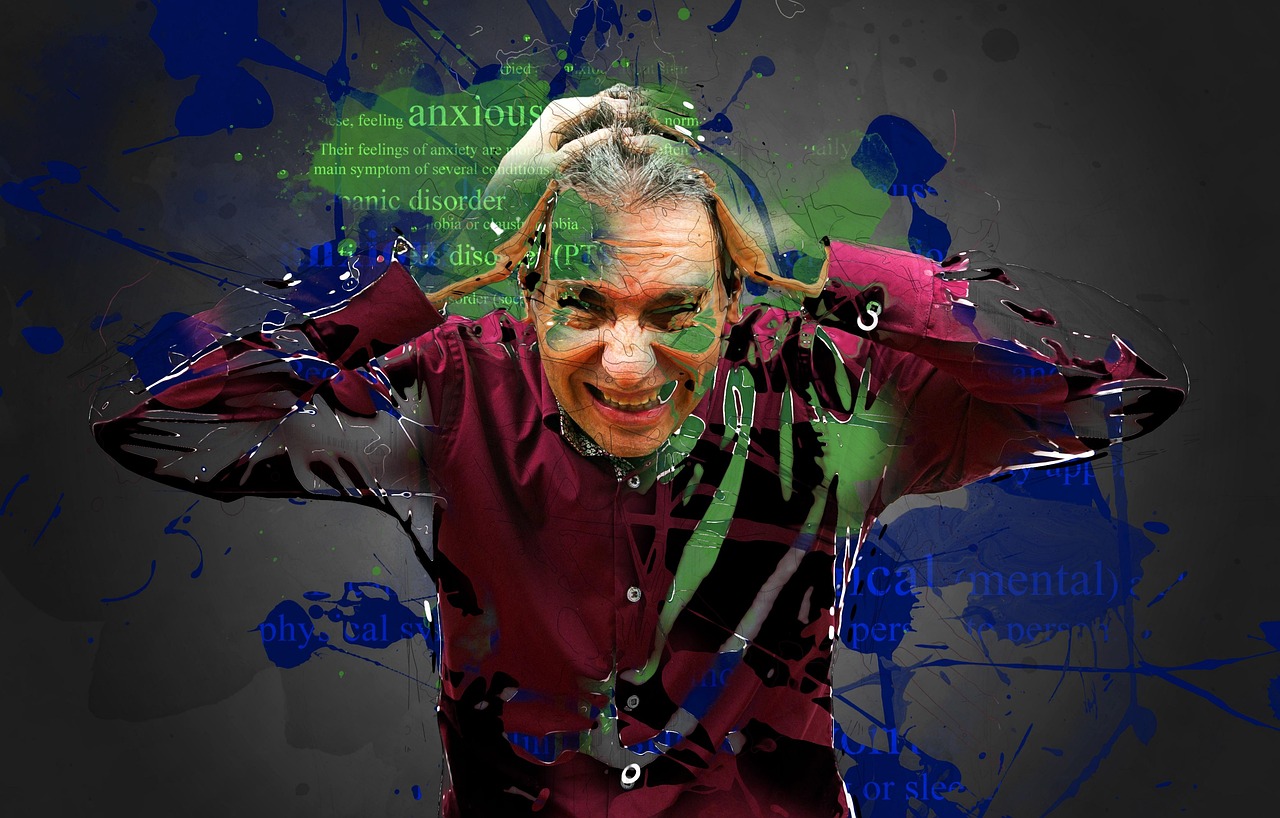
Mental Health Needs Attention — A Silent Crisis Rising Worldwide
A Fast World, A Tired Mind
The modern world is moving at a breathtaking pace. Technology has made life more convenient than ever—yet it has also made the human mind more fragile, anxious, and overwhelmed. Today, depression, anxiety, and emotional burnout are no longer rare occurrences; they have become an everyday reality for millions.
1 in every 5 individuals suffers from some form of mental health issue. This alarming statistic reflects only those who come forward—many others struggle in silence due to shame, stigma, and lack of awareness.
Globally, the situation is no different. According to the World Health Organization (WHO), more than 970 million people worldwide struggle with mental disorders, with depression being the leading cause of disability.
Despite living in an era of technological advancement, people are becoming emotionally exhausted. In severe cases, individuals reach a breaking point where life feels unbearable, pushing them toward extreme hopelessness—even suicidal thoughts. Heartbreakingly, cases have surfaced where overwhelmed parents harmed their own children before ending their own lives. Such tragedies do not happen overnight—they are the painful result of long-term, untreated mental illness.
Why Is This Happening? The Invisible Decline of Mental Health
Mental health experts agree that severe emotional breakdowns are rarely sudden. Instead, they emerge gradually through a persistent erosion of mental well-being. Depression is not a moment—it is a process.
Gallup Pakistan Survey: What Is Hurting People the Most?
Recent surveys reveal that Pakistanis face growing psychological pressure. According to Gallup Pakistan:
-
17% struggle due to family or domestic conflicts
-
15% experience mental stress due to low income
-
14% due to unemployment
-
13% feel pressure from workplace or job insecurity
-
8% from their physical health conditions
These issues don’t exist in isolation—they seep into daily life, affecting mood, decision-making, relationships, and physical well-being.
Mental health is the balance between action and reaction, a harmony between emotional resilience and external pressures. When this balance collapses, psychological problems begin to emerge.
Mental Health: More Than the Absence of Illness
A healthy life is not merely about physical wellness; it is deeply linked with psychological well-being. Mental health affects:
-
How we think
-
How we feel
-
How we behave
-
How we cope with stress
-
How we build relationships
-
How we make decisions
A balanced mind creates a balanced life. A disturbed mind affects everything—family, work, spirituality, and even physical health.
Even the American Psychological Association highlights that mental health impacts major body systems such as the nervous system, endocrine system, and immune function. Prolonged stress increases cortisol levels, weakens immunity, disrupts sleep, and heightens the risk of chronic diseases such as diabetes and hypertension.
How Technology Is Changing Our Lives—and Our Minds
We live in a world dominated by screens—smartphones, laptops, tablets, and social media. These tools were created to connect us, yet ironically, they have distanced us from real human interaction.
Research Insights
A 2023 Harvard Study on digital behavior found that:
-
Excessive screen time increases anxiety levels
-
Social media triggers comparison-based depression
-
Blue light exposure disrupts sleep cycles
-
Digital addiction reduces attention and memory retention
Children and teenagers are especially vulnerable. Once active in outdoor games and physical activities, many young people now spend hours scrolling, gaming, and consuming content that reshapes their emotional and cognitive development.
Renowned scholar Hakim Muhammad Saeed often addressed the youth saying:
“O healthy youth! The future belongs to you.”
But today’s youth are at risk of losing that future to mental fatigue, inactivity, and emotional instability.
The Real Cost of Ignoring Mental Health
Ignoring mental health has long-term consequences:
-
Broken family relationships
-
Reduced productivity
-
Poor academic performance
-
Increased risk of self-harm
-
Physical health decline
-
Emotional numbness
-
Loss of purpose
Untreated mental illness can destroy careers, relationships, and entire families.
WHO reports that suicide is the 4th leading cause of death among 15–29-year-olds worldwide. Every year, over 700,000 people die by suicide—and millions more attempt it.
These numbers highlight one truth:
Mental health is not a luxury; it is a necessity.
Signs Your Mental Health Might Be Declining
Many people don’t recognize mental illness in its early stages.
Here are warning signs experts emphasize:
-
Persistent sadness or hopelessness
-
Unexplained fatigue
-
Irritability and anger
-
Loss of interest in activities
-
Withdrawal from social life
-
Difficulty concentrating
-
Sleep disturbances
-
Feeling overwhelmed
-
Emotional numbness
-
Thoughts of self-harm
Recognizing these signs is the first step toward healing.
How to Protect and Improve Your Mental Health
Mental wellness is not automatic—it requires conscious effort. Here are science-backed strategies:
1. Establish a Balanced Daily Routine
Create structure around:
-
Sleep
-
Meals
-
Work
-
Exercise
-
Relaxation
Studies from Stanford University show that routine stabilizes mood and reduces anxiety.
2. Engage in Positive Physical Activities
Exercise isn’t only for the body—it heals the mind.
Just 30 minutes of daily walking can reduce symptoms of depression by 50%.
Choose activities such as:
-
Walking or jogging
-
Cycling
-
Yoga
-
Sports
-
Stretching
Movement releases endorphins—your natural antidepressant.
3. Strengthen Your Social Life
Human beings are wired for connection.
Spend time with real people, not just online profiles.
Meaningful social interactions reduce loneliness, improve emotional resilience, and even protect against dementia.
4. Reduce Excessive Screen Time
Use digital devices wisely:
-
Set time limits
-
Avoid screens before bed
-
Engage in tech-free hobbies
-
Use apps that track usage
Start noticing how much calmer your mind feels when you disconnect.
5. Practice Spiritual and Religious Well-Being
Spiritual practices—prayer, meditation, Quranic recitation, dhikr—create emotional grounding, inner peace, and clarity.
Research from the University of Michigan shows that spiritual practices:
-
Lower stress
-
Reduce fear
-
Increase feelings of hope
-
Enhance life satisfaction
Faith gives meaning—and meaning gives strength.
6. Cultivate Gratitude and Positive Thinking
Train your mind to focus on what you have—not what you lack.
-
Keep a gratitude journal
-
Reflect on blessings
-
Replace negative thoughts with constructive ones
Positive thinking has been shown to improve immunity and reduce depressive symptoms.
7. Ask for Help—It Is Not a Weakness
If you feel overwhelmed, reach out:
-
Mental health professionals
-
Counselors
-
Support groups
-
Trusted friends or family
Therapy is not a sign of weakness—it is a powerful step toward healing.
What Parents Need to Know
Children today face more mental pressure than any previous generation:
-
Online bullying
-
Academic stress
-
Social media comparison
-
Isolation
-
Unrealistic expectations
Parents must:
-
Communicate openly
-
Encourage physical play
-
Limit screen time
-
Provide emotional support
-
Teach coping skills
-
Model healthy behavior
Strong families create strong minds.
A Message of Hope
Mental illness is not the end of life. It is treatable. Countless people recover and rebuild their lives through:
-
Support
-
Therapy
-
Faith
-
Positive habits
-
Community care
Healing begins with one step: ** acknowledging that your mind deserves care.**
Conclusion: Choose Life, Choose Balance
Mental health is the foundation of a happy life. When the mind collapses, everything else begins to fall apart. But when the mind is nurtured, strengthened, and understood—life becomes easier, hopeful, and meaningful.
Start today:
-
Take care of your emotions
-
Protect your peace
-
Prioritize real connections
-
Encourage kindness
-
Seek help when needed
-
Restore your balance
A peaceful mind is not a gift—it is a responsibility.
Your mental health matters.
Your life matters.
And you are never alone.