
Stress and the Silent Damage It Does to Your Heart
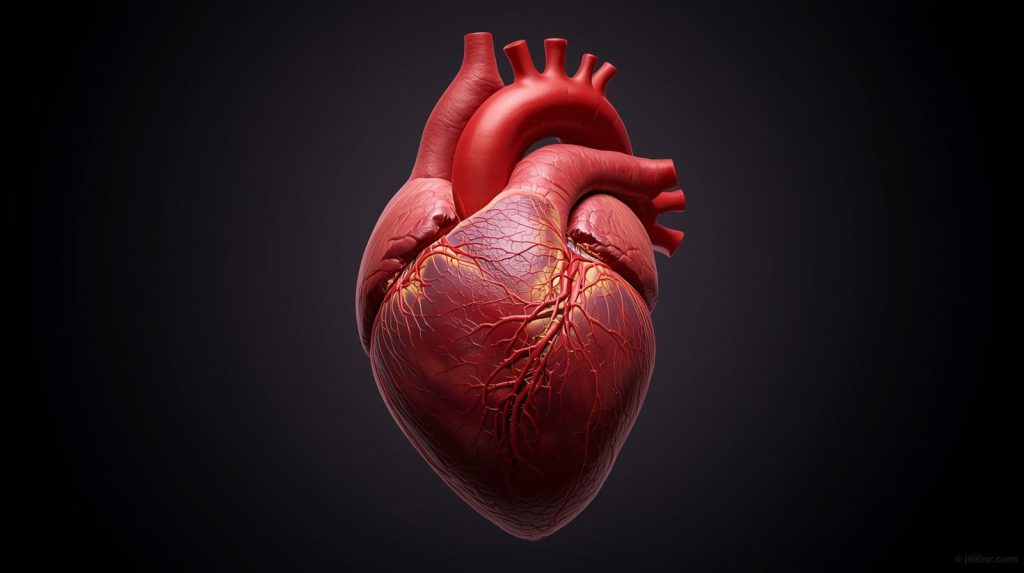
Here’s the thing — everyone’s stressed. You, me, everyone you know. It’s almost become normal to live with constant pressure — work deadlines, financial worries, family issues, phones buzzing non-stop. But here’s what most people don’t realize: stress doesn’t just mess with your mood or sleep — it quietly takes a toll on your heart too.
You might not feel it right away, but over time, constant stress can change how your body works, how your heart beats, and even how your blood flows. It’s not just about feeling overwhelmed — it’s about what’s happening inside your body while you try to “keep it together.”
So let’s break down how stress really affects your heart, what signs to look for, and what you can do to stop it from becoming something more serious.
The Science Behind Stress
When you’re stressed, your body goes into what’s called “fight or flight” mode. It’s an old survival mechanism — your body thinks it’s facing danger, so it releases hormones like cortisol and adrenaline.
These hormones increase your heart rate, tighten your blood vessels, and make your blood pressure spike. It’s helpful if you’re running from a wild animal, but not so much if you’re just stuck in traffic or arguing with your boss.
And when this stress response keeps happening every day, it starts to wear your heart out.
What Chronic Stress Does to Your Heart
Short bursts of stress aren’t the problem — it’s when stress becomes your normal state that things start breaking down. Here’s what long-term stress actually does inside your body:
-
Raises blood pressure: Constant stress means your arteries stay tight longer, which forces your heart to work harder.
-
Inflames your arteries: Elevated cortisol causes inflammation in blood vessels, making them stiffer and more likely to clog.
-
Messes with your heart rhythm: Chronic stress can cause palpitations or irregular beats. Over time, that’s extra strain on your heart muscles.
-
Increases bad habits: Let’s be honest — when people are stressed, they eat worse, sleep less, and skip exercise. Some smoke or drink more. All of these multiply the damage.
The result? A tired, overworked heart — and a higher risk of heart attacks, hypertension, and even sudden cardiac events.
How Stress Feels in the Body
Sometimes, people don’t even realize how stressed they are until it shows up physically. You might feel:
-
Chest tightness or discomfort
-
Headaches or jaw tension
-
Fatigue that doesn’t go away
-
Trouble sleeping
-
A constant racing heartbeat
-
Digestive issues (because stress messes with your gut too)
Your body’s been trying to tell you that it’s had enough — you just might not have been listening.
Emotional Stress Hits Just as Hard as Physical
It’s not just about workload or daily hustle. Emotional pain — grief, loneliness, anxiety, or long-term relationship problems — can trigger the same stress response in your body as physical threats.
There’s even a condition called Takotsubo cardiomyopathy, or “broken heart syndrome.” It’s a real, medical condition where extreme emotional stress causes the heart to temporarily weaken. People who go through loss, trauma, or shock can actually feel chest pain that mimics a heart attack. That’s how powerful the mind-heart connection really is.
Why Your Heart Doesn’t Get a Break
The heart never gets time off. Even when you’re resting, it’s pumping nonstop. But when you’re mentally and emotionally stressed, your heart never really gets a chance to slow down either. It keeps responding to the signals your brain sends — fast beats, high pressure, tension in the arteries.
Think of it like an engine running at high speed 24/7. It might not explode immediately, but eventually, the wear and tear starts showing.
How to Protect Your Heart from Stress
You can’t remove stress completely — it’s part of life. But you can absolutely control how your body reacts to it. Here’s what actually helps:
1. Move your body daily
Exercise doesn’t just strengthen your heart — it helps release stress hormones faster. A 30-minute walk, yoga, or even stretching can help calm your system.
2. Sleep like your health depends on it (because it does)
Poor sleep increases cortisol levels, which means your body starts the day already stressed. Set a fixed bedtime, keep your room dark and cool, and don’t use your phone before bed.
3. Watch your caffeine and alcohol intake
Both can trigger heart palpitations and increase anxiety, especially when you’re already stressed. Replace one coffee with water or green tea.
4. Breathe intentionally
Simple breathing techniques — like deep belly breathing or the 4-7-8 method — help slow your heart rate and calm your nervous system.
5. Talk it out
Bottling up emotions keeps your stress hormones high. Talking to a friend, counselor, or therapist helps your brain process things and relax.
6. Set boundaries
You can’t say yes to everything. Learn to step back, log off, or take time for yourself without guilt. It’s not selfish — it’s heart care.
7. Laugh more
Seriously. Laughter releases endorphins, lowers blood pressure, and relaxes blood vessels. Watch something funny, talk to people who make you happy, or just spend time doing things that genuinely relax you.
How Doctors See It
Cardiologists now take stress as seriously as blood pressure or cholesterol. In fact, many hospitals have started adding stress management programs alongside cardiac care because mental health directly affects heart outcomes.
Patients who learn relaxation techniques, mindfulness, or even just simple breathing exercises show better recovery and fewer heart-related complications. That’s how closely your emotions and your arteries are connected.
The Hard Truth
Most people think they can “push through” stress. They assume the real damage only comes from food or lack of exercise. But here’s the truth — your mind can break your heart, literally.
When your body is in fight-or-flight mode every day, it’s not surviving — it’s deteriorating. And the worst part? You might not see it until one day your heart just can’t keep up anymore.
Final Thoughts
Your heart listens to everything you go through — every worry, every panic, every sleepless night. It doesn’t complain out loud, but it feels it all.
Stress doesn’t always look dangerous from the outside, but inside, it changes how your heart functions, one beat at a time.
So, maybe next time life gets too much, remind yourself — taking care of your peace isn’t just about feeling better. It’s about keeping your heart alive and well.
Because sometimes, what saves your heart isn’t medicine or surgery — it’s simply learning how to slow down, breathe, and let yourself rest.