
The Silent Signals — When Your Lungs Try to Tell You Something
The Silent Signals — When Your Lungs Try to Tell You Something
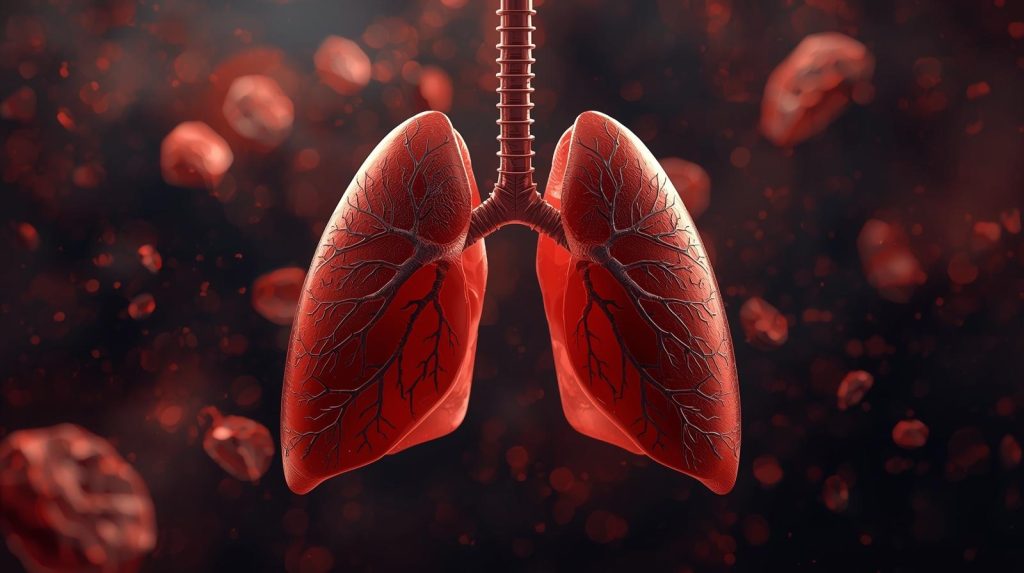
We don’t really think about our lungs unless we’re out of breath. Most of the time, they’re just quietly doing their job — expanding, contracting, exchanging gases, keeping oxygen flowing. It’s automatic. You breathe, you live, and that’s that. But the lungs are one of those organs that don’t complain until they’re pushed too far, and by the time you actually “feel” something wrong, it’s usually already serious.
In a world where pollution, stress, and modern habits are constantly weighing down our respiratory system, understanding what your lungs are trying to tell you isn’t just smart — it’s survival.
The Forgotten Workhorse
Your lungs are more than just two air sacks inside your chest. They’re living filters, handling nearly 11,000 liters of air every single day. Every breath pulls in oxygen and pushes out carbon dioxide — but it also brings in dust, smoke, chemicals, and microscopic invaders your lungs have to trap, clean, and remove.
The irony is, even though they’re the first line of defense between your body and the outside world, we treat them like they’re indestructible. We breathe in polluted city air, smoke occasionally, sit all day, barely exercise, and think, “it’s fine.” But slowly, the lungs start losing their elasticity, their ability to clear mucus, and their strength to fully expand — and that’s when the silent decline begins.
How We’re Slowly Suffocating Ourselves
Modern life isn’t kind to the lungs. The biggest culprits?
-
Air pollution: Smog, industrial smoke, and even household cleaners release fine particles that irritate your airways daily.
-
Smoking and vaping: Even if you’re not a regular smoker, secondhand smoke or vaping clouds are enough to start inflammation that doesn’t fully go away.
-
Poor posture and inactivity: Sitting hunched over your phone or computer compresses your lungs. They can’t fully expand, and over time, your breathing gets shallower without you realizing it.
-
Neglected infections: Many people brush off constant coughing or “seasonal” phlegm as normal. It’s not. Chronic respiratory infections can lead to scarring or reduced lung function if ignored.
-
Stress and shallow breathing: When you’re anxious, your breathing gets quick and shallow. That limited oxygen exchange makes you tired and foggy — something most people never connect to their lungs.
Early Signs That Your Lungs Are Struggling
The scary part about lung problems is how normal the early signs look. Most people only pay attention when breathing becomes visibly hard. But there are subtle signals long before that:
-
Getting winded from basic activities like walking upstairs
-
Wheezing or whistling sounds while breathing
-
A persistent dry cough that won’t leave
-
Feeling “tight” in your chest
-
Mucus that keeps coming back, even when you’re not sick
-
Constant fatigue and low energy levels
-
Blue-tinted lips or fingertips (low oxygen)
-
Chest heaviness after being in dusty or smoky environments
It’s easy to label these as “just getting older” or “being out of shape,” but that’s exactly how chronic conditions like COPD, asthma, and chronic bronchitis sneak in unnoticed.
What Years of Neglect Can Lead To
When the lungs are exposed to constant irritation — whether from smoke, pollution, or untreated infections — inflammation becomes the norm. The airways thicken, mucus builds up, and oxygen exchange weakens. Eventually, this can lead to chronic conditions like:
-
Asthma: Inflammation that causes airway narrowing, making it harder to breathe.
-
Chronic bronchitis: Long-term coughing and mucus buildup due to damaged airways.
-
COPD (Chronic Obstructive Pulmonary Disease): A slow, progressive condition that makes even simple breathing exhausting.
-
Pulmonary fibrosis: Scarring of the lung tissue, reducing flexibility and function.
-
Lung cancer: Often linked to smoking but also to air pollution and occupational exposures.
What’s worse is that most of these diseases don’t show dramatic symptoms until a large portion of lung function is already lost.
The Power of Breathing Right
You’d think breathing is something we all do automatically — and that’s true — but most people don’t do it right. Proper, deep breathing improves oxygen exchange, strengthens your diaphragm, and reduces stress levels.
Try this: once a day, take a few minutes to sit up straight and breathe deeply. Inhale through your nose, hold for three seconds, and exhale slowly through your mouth. It sounds simple, but it retrains your body to use your lungs fully again.
Over time, this kind of breathing also improves your posture, blood flow, and focus. Most of all, it helps clear out stagnant air from the lower parts of your lungs that shallow breathing never reaches.
Foods That Keep Your Lungs Happy
Believe it or not, your diet can affect how well you breathe. Certain foods naturally fight inflammation, protect against oxidative stress, and keep your airways open.
-
Garlic and onions: Contain compounds that reduce inflammation and fight respiratory infections.
-
Leafy greens: High in antioxidants that protect lung tissue.
-
Citrus fruits: Vitamin C boosts immune defense and supports healthy airways.
-
Ginger: Clears mucus and opens up air passages.
-
Turmeric: Its active compound, curcumin, has been shown to reduce inflammation in lung tissues.
And the one thing to absolutely minimize? Processed foods and sugar. They increase inflammation throughout the body — including your lungs.
The Role of Exercise in Lung Health
You don’t have to become a marathon runner, but moving regularly is essential for healthy lungs. Exercise increases your lung capacity and trains your body to use oxygen more efficiently.
Even simple things like brisk walking, swimming, or cycling help. For people with mild respiratory issues, breathing exercises like pursed-lip breathing or diaphragmatic breathing can make a massive difference.
The more you move, the more your lungs work — and the stronger they stay.
When to See a Doctor
If you’ve had a cough for more than three weeks, experience frequent shortness of breath, or feel chest tightness that doesn’t go away, don’t ignore it. Early diagnosis can prevent long-term damage. Pulmonary function tests, chest X-rays, or CT scans can help detect issues before they become irreversible.
Doctors often emphasize that with early intervention, lung health can improve. The body has an amazing ability to repair itself — if given the right time and support.
The Bottom Line
Your lungs don’t get much attention — until they stop working like they used to. But here’s the thing: you don’t need to wait for a diagnosis to start caring for them. The earlier you start paying attention — cutting out smoke, improving air quality, eating better, and breathing deeper — the more years of healthy living you add.
So the next time you feel that little heaviness in your chest or get winded walking a short distance, don’t just shrug it off. It’s not “just stress” or “just tiredness.” It might be your lungs trying to talk to you.
Listen early. It’s one conversation you don’t want to ignore.