
When Your Liver Starts Talking — And Why You Should Listen Before It’s Too Late
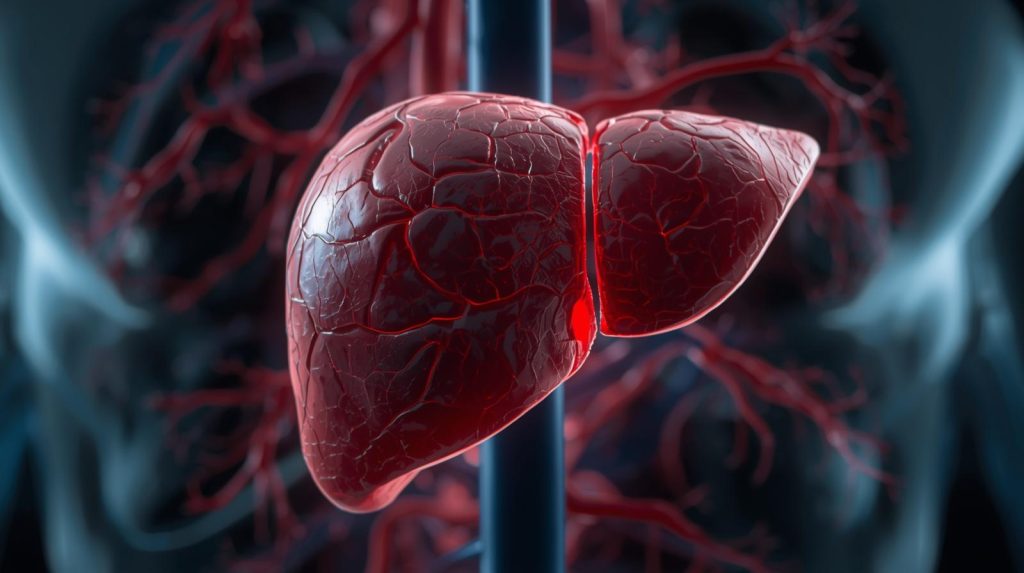
You don’t really think about your liver until something goes wrong. It’s quiet, works 24/7 without asking for a break, and handles more than 500 different jobs at once — from filtering toxins and balancing hormones to digesting fats and storing energy. But when it starts to get overworked or damaged, it doesn’t always shout. Sometimes it just whispers — a little fatigue here, some bloating there, skin acting weird — and most people ignore it until the signs are impossible to miss.
So let’s talk about what really happens when your liver starts getting tired, how modern lifestyles are pushing it to the edge, and what you can do before it’s too late.
The Liver: The Body’s Hardest-Working Machine
Think of your liver as your body’s built-in detox plant. Every single thing you eat, drink, or even breathe eventually passes through it. It filters out chemicals, processes nutrients, regulates blood sugar, and even helps your body recover after injury.
But unlike your heart, which beats in rhythms you can feel, your liver works silently. You can’t “feel” it filtering your blood, or breaking down that extra glass of soda, or processing the painkillers you took for a headache. And that’s exactly why people take it for granted.
The Modern Attack on Your Liver
Let’s be honest — most of us live in ways our bodies weren’t designed for. Fast food, late nights, energy drinks, processed snacks, constant medications, zero rest — and then we expect the liver to handle it all.
Here’s what slowly wears it down:
-
Too much sugar and refined carbs: Every time you drink a sugary beverage or eat something ultra-processed, your liver has to turn that excess sugar into fat. Over time, this leads to fatty liver disease, even if you don’t drink alcohol.
-
Alcohol: Everyone knows it’s bad for the liver, but most people underestimate how little it takes to start doing real damage. Even a few drinks every week can cause inflammation if your body isn’t metabolizing well.
-
Medications and supplements: Painkillers, antibiotics, even herbal supplements — all are processed through the liver. Overuse or mixing them can overload it.
-
Lack of sleep and stress: When you’re sleep-deprived or constantly stressed, your body produces more cortisol, which disrupts your liver’s ability to regulate blood sugar and detox efficiently.
Early Signs Your Liver Is Struggling
Most liver issues don’t start with big symptoms. They start small, almost unnoticeable:
-
Constant fatigue, even with enough rest
-
A feeling of heaviness or fullness on the right side of your abdomen
-
Digestive problems — bloating, gas, loss of appetite
-
Unexplained skin itching or dull complexion
-
Yellowish tinge in eyes or skin (a red flag for serious cases)
-
Brain fog or trouble concentrating
-
Dark urine, pale stool, or swelling in the legs
People often brush these off as “just being tired” or “just something I ate.” But the liver’s early cries for help sound exactly like that — small, everyday annoyances that don’t go away.
The Hidden Epidemic: Fatty Liver Disease
Here’s a scary fact — around one in every four adults globally now has non-alcoholic fatty liver disease (NAFLD). It used to be seen only in people who drank heavily, but now it’s mostly linked to lifestyle: high sugar diets, processed food, and sitting too much.
In its early stages, fatty liver can be completely silent. But as it progresses, it can cause fibrosis (scarring), then cirrhosis, and even liver failure.
The worst part? By the time symptoms get serious, a lot of damage is already done. That’s why prevention is everything.
How Stress Makes Things Worse
You wouldn’t think mental stress affects your liver, but it does — directly. Stress hormones alter blood flow and metabolism, forcing the liver to work harder. When your body is constantly in “fight or flight,” digestion slows down, toxins build up, and inflammation spreads.
That’s why people who are constantly anxious or burned out often complain about digestive issues, fatigue, and skin breakouts — the liver’s overloaded, and it’s showing up everywhere else.
What You Can Do to Help Your Liver
You don’t need fancy detox teas or supplements that promise “cleansing.” Your liver is the detox system. What it needs is support, not shortcuts.
Here’s how you can give it that support:
1. Cut down on sugar and processed carbs
Every soda, candy, and “white” carb (like white bread, pasta, pastries) adds stress to your liver. Switch to natural sweeteners, whole grains, and real foods.
2. Eat liver-friendly foods
Garlic, beets, turmeric, green tea, lemon water, and leafy greens help boost your liver enzymes naturally. They reduce inflammation and help flush out toxins efficiently.
3. Stay hydrated
Water is essential for every liver process — from filtering toxins to digesting fat. Dehydration makes everything harder.
4. Move daily
You don’t have to do intense workouts. Just walking 30 minutes a day improves insulin sensitivity, reduces fat buildup, and helps your liver process energy better.
5. Get good sleep
Your liver regenerates while you sleep. Staying up late every night means you’re robbing it of its recovery time.
6. Watch alcohol and medications
If you drink, keep it moderate. Don’t mix painkillers with alcohol. Always check with your doctor before taking multiple medicines or supplements.
7. Manage stress
Meditation, deep breathing, or even just taking a proper break — all help reduce cortisol and give your liver breathing room.
How Doctors Approach Liver Health
Doctors don’t just look at enzymes and scans — they look at patterns. If your liver enzymes are slightly elevated but your lifestyle’s stressful, they’ll tell you to adjust your habits before reaching for heavy medication.
Regular blood tests for ALT and AST can detect early liver stress. Imaging (like ultrasound or FibroScan) can catch fat buildup or scarring. The earlier it’s found, the easier it is to reverse.
And yes, fatty liver can heal — with consistent changes. Studies show that losing even 5-10% of body weight can drastically improve liver function and even reverse early damage.
The Quiet Truth
The liver is forgiving — up to a point. It can heal from mild damage if you give it the right conditions. But once it crosses that line, recovery gets harder.
So when your body feels “off,” when fatigue doesn’t go away, when food starts sitting heavier, don’t ignore it. That’s your liver whispering for help.
Listen before it starts shouting.