

We all talk about stress like it’s normal — something we just deal with, part of being an adult, part of life. But what if I told you that stress is quietly doing more than just making you tired or anxious? What if it’s actually weakening your immune system — the very thing that protects you from getting sick?
Most of us don’t realize it until we start catching every cold that goes around, or when minor cuts take forever to heal, or when we feel constantly run-down no matter how much we sleep. That’s your body sending signals — subtle, but real — that stress is winning the battle on the inside.
So let’s break this down properly. What stress really does to your immune system, how it happens, and more importantly, what you can actually do about it.
What Stress Really Is (and Why It’s Not Always Bad)
Stress isn’t always the villain. It’s your body’s built-in alarm system — a reaction that’s supposed to help you survive danger. When you’re under stress, your brain releases hormones like cortisol and adrenaline, preparing your body to act fast — the old “fight or flight” mode.
That response was great back when humans needed to run from predators or survive harsh conditions. The problem is, in today’s world, most of our stress doesn’t come from physical danger — it comes from work deadlines, traffic, financial pressure, or emotional struggles.
Your body doesn’t know the difference. It keeps reacting as if you’re in danger — over and over again. And that’s when stress becomes chronic.
How Stress Starts to Weaken Your Immune System
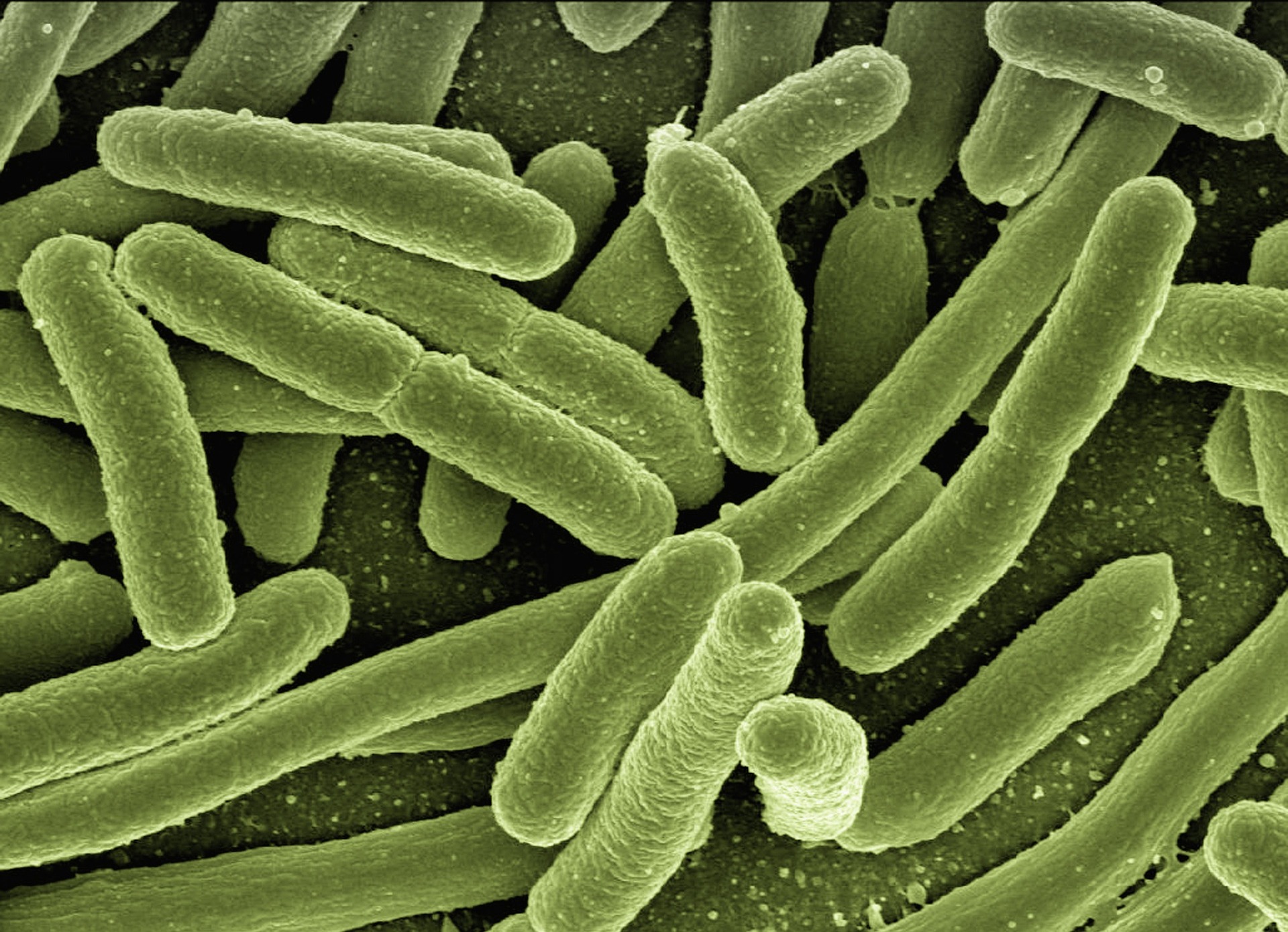
Your immune system is like an army, designed to detect and destroy harmful invaders — viruses, bacteria, infections. But this army depends on signals from your brain and hormones to stay balanced.
When cortisol (the stress hormone) stays high for too long, it starts confusing that balance. Here’s how:
1. Cortisol Suppresses White Blood Cells
These are your immune soldiers — the ones that fight infections. Chronic stress lowers their number and weakens their ability to respond, making you more vulnerable to viruses and bacteria.
2. Inflammation Goes Haywire
Normally, inflammation is your body’s natural defense — it helps heal injuries and fight infections. But when you’re constantly stressed, your body releases too many inflammatory chemicals for too long. This can lead to chronic inflammation, which contributes to conditions like heart disease, diabetes, and autoimmune disorders.
3. Stress Slows Healing
If you’ve ever noticed that wounds heal slower when you’re stressed, that’s not in your head. Studies show chronic stress delays tissue repair and weakens your skin barrier, making it easier for infections to enter.
4. Your Gut Takes the Hit
About 70% of your immune system lives in your gut. Stress affects gut bacteria, reduces nutrient absorption, and can even trigger digestive problems like bloating, IBS, or ulcers — all of which further weaken immunity.
The Real-Life Signs That Stress Is Affecting Your Immunity
Stress isn’t always visible, but your body has ways of letting you know something’s off. Here are some subtle signs that your immune system might be struggling because of stress:
-
You catch colds more often than usual
-
You take longer to recover from illnesses or wounds
-
You feel tired even after resting
-
Your allergies or skin issues (like eczema) get worse
-
You have frequent digestive discomfort
-
Your sleep quality has dropped significantly
If more than one of those sounds familiar, your immune system might already be under pressure from stress hormones.
The Mind-Body Link: Why You Can’t Separate Mental and Physical Health

We often treat mental and physical health as two different things, but they’re deeply connected. Your immune cells have receptors that literally “listen” to stress hormones. When your mind is anxious, your body knows — instantly.
That’s why chronic stress doesn’t just make you emotionally exhausted — it leads to real, measurable physical changes. Over time, those changes increase your risk for everything from viral infections to heart problems.
Managing stress isn’t just about feeling calmer. It’s about protecting your immune system — your body’s defense line — from being weakened day after day.
What You Can Actually Do About It
The good news? You can undo a lot of this damage with small, consistent habits that reset your stress response and strengthen your immune system again.
1. Get Consistent Sleep
Sleep is when your immune system recharges. During deep sleep, your body releases cytokines — proteins that fight infection and inflammation. Missing sleep even for a few nights can lower your resistance.
Aim for 7–9 hours every night, and try to keep a regular schedule. Your body likes rhythm.
2. Move Every Day
Exercise is one of the most effective ways to reduce stress hormones and boost immune function. You don’t need intense workouts — even 30 minutes of walking, stretching, or yoga can make a difference. The key is consistency, not intensity.
3. Breathe Better
Most of us breathe shallowly when stressed, which keeps the body stuck in “fight or flight” mode. Deep, slow breathing activates your parasympathetic nervous system — the “rest and repair” mode.
Try this: inhale for 4 seconds, hold for 4, exhale for 6. Do it for 2 minutes. You’ll feel the shift almost immediately.
4. Eat to Support Your Immunity
Focus on foods that fight inflammation and nourish your gut.
-
Fresh fruits and vegetables for antioxidants
-
Whole grains for steady energy
-
Lean proteins for repair
-
Fermented foods (like yogurt, kefir, or kimchi) to support gut health
And drink enough water — dehydration increases stress on your organs.
5. Set Boundaries and Learn to Say No
A lot of chronic stress doesn’t come from emergencies — it comes from overcommitment. You can’t be available to everyone all the time. Your immune system needs rest just like your mind does.
6. Get Outside
Sunlight boosts vitamin D levels, which supports immunity and mood. Even 10–15 minutes a day can reset your body clock and calm your nervous system.
7. Laugh and Connect
Yes, it sounds simple, but laughter lowers cortisol and boosts endorphins. Social connection also reduces feelings of isolation — one of the biggest emotional triggers for stress.
When to Get Help
If you feel like stress is controlling your life — if you’re constantly anxious, having trouble sleeping, or feeling physically drained — it’s okay to ask for help.
Therapists, counselors, or even stress management programs can help you develop tools to handle daily pressures in healthier ways.
Ignoring chronic stress doesn’t make it disappear. It just pushes your body closer to burnout — physically and mentally.
Final Thoughts
Your immune system isn’t just affected by germs — it’s affected by your emotions, your sleep, your habits, and your pace of life. Chronic stress doesn’t announce itself with loud symptoms; it slowly chips away at your body’s strength, one long day at a time.
The goal isn’t to eliminate stress completely — that’s impossible. The goal is to manage it before it manages you.
Your body is always communicating with you. The fatigue, the frequent colds, the tension headaches — they’re not random. They’re signs.
Listen early. Rest more. Move often. Eat better. Breathe deeper.
Because your immune system is fighting for you every single day — the least you can do is fight for it too.