
You’re Gaining Weight, Losing Hair, and Feeling Off — The Quiet Reality of Thyroid Problems
Sometimes your body changes in ways you can’t explain.
You eat the same, but your weight keeps changing.
Your hair feels thinner than before.
Your mood feels unstable for no clear reason.
You feel tired even on days when you barely do anything.
Your heart sometimes beats too fast… or too slow.
Your body temperature never feels “normal.”
And everyone around you says:
“You’re just stressed.”
“It’s hormones.”
“It’s your routine.”
“Maybe it’s age.”
But deep inside, you know something feels off.
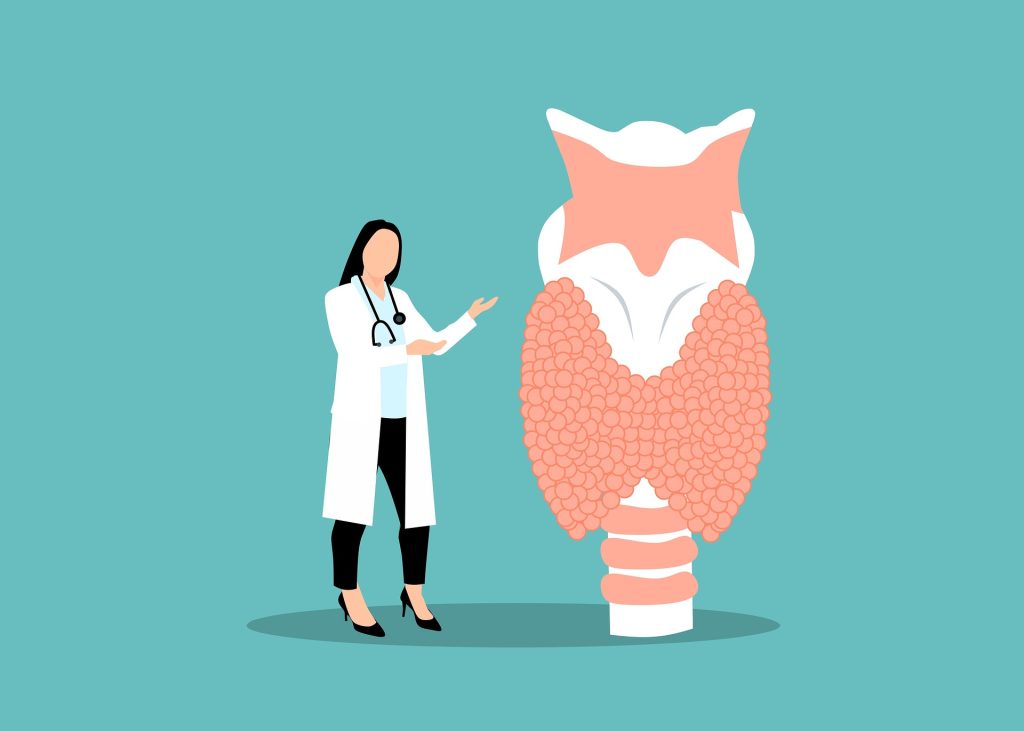
For many people, that “something” turns out to be the thyroid gland — a tiny organ with a massive effect on the entire body.
What the Thyroid Really Does (Without Heavy Medical Words)
The thyroid is a small, butterfly-shaped gland in your neck.
But don’t let its size fool you.
It controls:
-
your metabolism
-
your body temperature
-
your heart rate
-
your energy level
-
your weight
-
your mood
-
your digestion
-
your muscle strength
-
your menstrual cycle
-
your fertility
In short:
The thyroid decides how fast or slow your entire body runs.
When it goes out of balance, everything feels out of balance.
Two Main Thyroid Problems People Face
1. Hypothyroidism (Slow Thyroid)
This means your thyroid is not making enough hormone.
Your body slows down.
People often notice:
-
weight gain
-
constant fatigue
-
feeling cold
-
dry skin
-
hair fall
-
constipation
-
puffy face
-
heavy periods
-
depression
-
slow heart rate
Life starts to feel like you’re walking through mud.
2. Hyperthyroidism (Fast Thyroid)
This means your thyroid is producing too much hormone.
Your body speeds up unnaturally.
People often feel:
-
sudden weight loss
-
racing heartbeat
-
sweating too much
-
anxiety
-
shaking hands
-
heat intolerance
-
trouble sleeping
-
short temper
-
irregular periods
It feels like your body is always in rush mode — even when you’re resting.
Why Thyroid Problems Are So Often Missed
Because the symptoms pretend to be other things.
Fatigue gets blamed on:
-
workload
-
stress
-
poor sleep
Weight changes get blamed on:
-
food
-
laziness
-
age
Mood changes get blamed on:
-
personality
-
anxiety
-
depression
Doctors might treat these one by one…
while the real root cause sits quietly in the neck.
Who Is at Higher Risk of Thyroid Problems
Thyroid disorders can happen to anyone, but they are more common in:
-
women
-
people with autoimmune conditions
-
people with family history
-
pregnant women
-
people under long-term stress
-
people with iodine deficiency
-
people who had neck radiation or surgery
Many people live with thyroid imbalance for years without knowing.
How Thyroid Problems Affect Daily Life
This is what people often describe in real life:
“I don’t feel like myself anymore.”
“My energy is gone.”
“I don’t recognize my body.”
“I get irritated easily.”
“I feel mentally slow.”
“I don’t enjoy things the way I used to.”
“My confidence is low because of my weight and hair.”
Thyroid problems don’t just affect the body.
They slowly affect identity, confidence, and emotional health.
How Thyroid Problems Are Diagnosed
There’s no guesswork here.
A simple blood test checks:
-
TSH
-
T3
-
T4
Sometimes doctors also test:
-
thyroid antibodies
-
ultrasound of the gland
Many people delay testing for years — even though the solution starts with just one blood test.
How Thyroid Problems Are Treated
The good news?
Most thyroid problems are very manageable with proper treatment.
For Hypothyroidism
-
daily thyroid hormone tablets
-
regular blood monitoring
-
proper dose adjustment
-
patience — improvement is gradual, not instant
For Hyperthyroidism
Treatment may include:
-
medicines to slow hormone production
-
beta-blockers to control heart rate
-
radioactive iodine therapy
-
sometimes surgery
With proper care, people return to normal lives.
Food & Lifestyle and the Thyroid
Food alone doesn’t cure thyroid problems — but it does support recovery.
Helpful habits:
-
regular meals
-
enough protein
-
balanced iodine intake
-
not skipping meals
-
reducing extreme crash diets
-
managing stress
-
sleeping properly
Very restrictive dieting can actually worsen thyroid imbalance.
Why People Stop Thyroid Medicine and Feel Worse
This happens constantly.
People feel better.
They stop medicine.
Months later:
-
fatigue returns
-
weight shifts
-
mood drops
-
heart rhythm changes
Thyroid medicine is not painkiller.
It’s hormone replacement.
Stopping it suddenly confuses the entire system.
Thyroid and Mental Health — The Emotional Side
Thyroid imbalance can directly cause:
-
anxiety
-
panic feelings
-
low mood
-
memory issues
-
emotional numbness
Many people take psychiatric medicines for years before realizing their thyroid was the underlying trigger.
Once thyroid levels balance, mental clarity often improves dramatically.
Thyroid and Pregnancy — A Critical Link
Uncontrolled thyroid during pregnancy can lead to:
-
miscarriage
-
premature birth
-
low baby weight
-
developmental issues
That’s why thyroid screening during pregnancy is so important.
When You Should Definitely Get Checked
You should not delay a thyroid test if you have:
-
unexplained weight changes
-
constant fatigue
-
hair fall with thinning
-
irregular periods
-
racing or slow heartbeat
-
heat or cold intolerance
-
long-term mood issues
-
family history of thyroid disease
A Real Message for Anyone Struggling Quietly
If your body feels unfamiliar…
If your energy feels stolen…
If your emotions feel heavier than they used to be…
Please know this:
You are not broken.
Sometimes your hormones are simply out of tune — and hormones can be corrected.
Your body often wants to heal.
It just needs the right support.
Final Thought
The thyroid may be small, but it controls how you feel every single day.
Ignoring it doesn’t make it quiet.
Listening to it early can change your life.